Skin Spots
Private Dr. Arslan Polyclinic
What Are Skin Spots? Why Do They Occur and How Are They Treated?
Skin spots are color changes that occur when melanin pigment accumulates in the skin more than normal or in an irregular way. They may appear as darkening of the skin tone, localized color differences, or uneven pigment distribution.
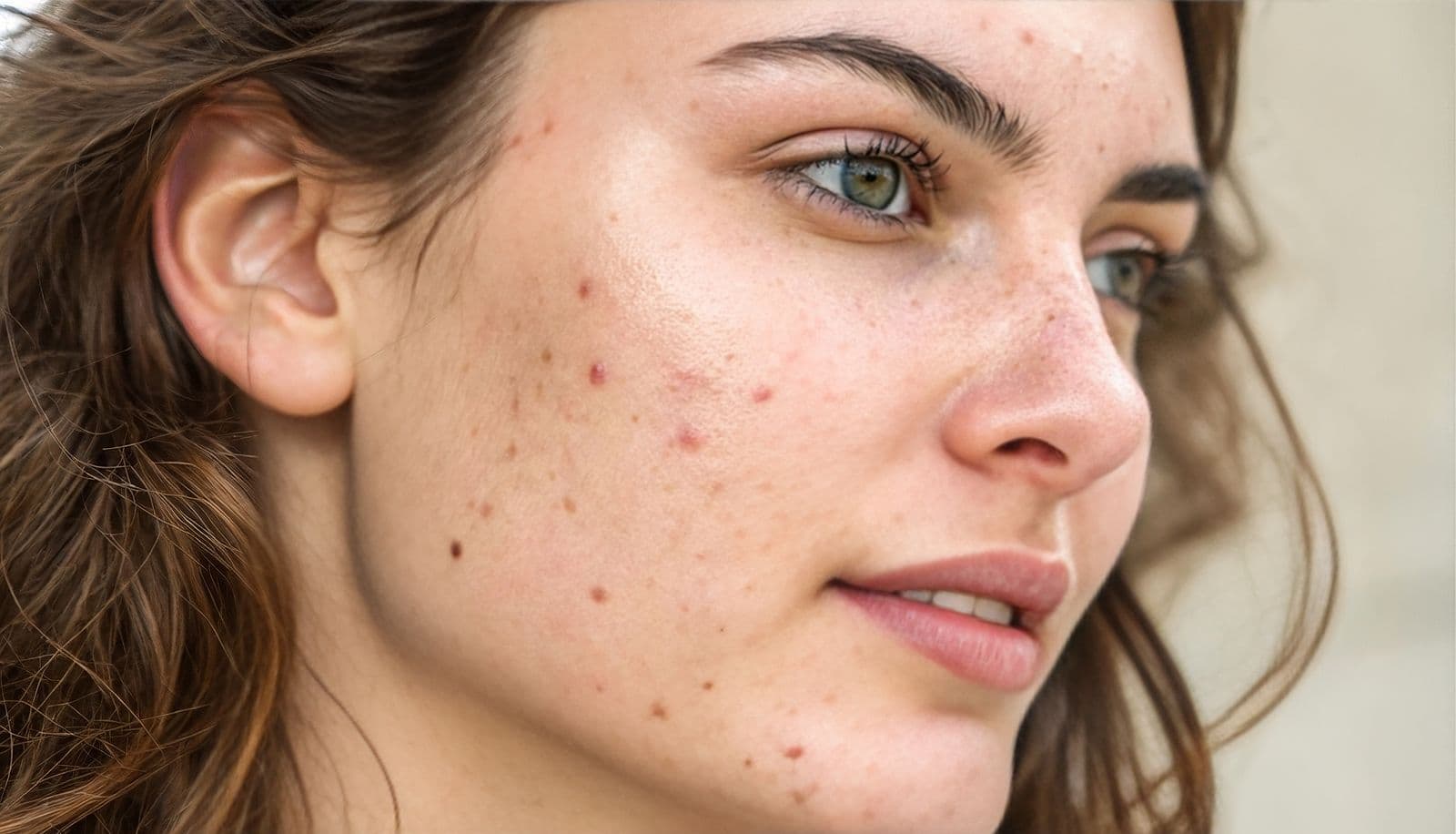
The most common causes include sun exposure, hormonal changes, the aging process, and inflammatory skin conditions such as acne. Uncontrolled sun exposure, in particular, triggers spot formation by stimulating pigment cells.
However, not every spot is the same. Since the type, depth, and formation mechanism of each spot differ, the treatment approach should also be planned individually according to the patient and the type of spot.
What You Should Know About Skin Spot Treatments
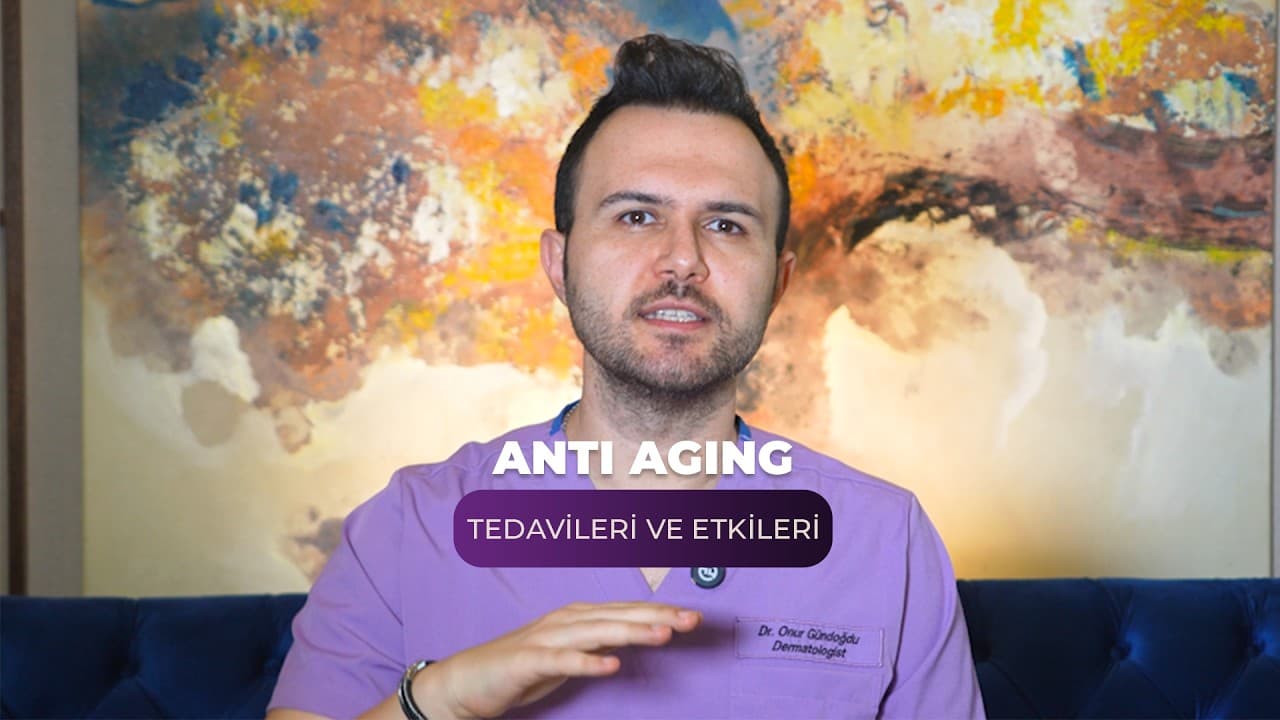
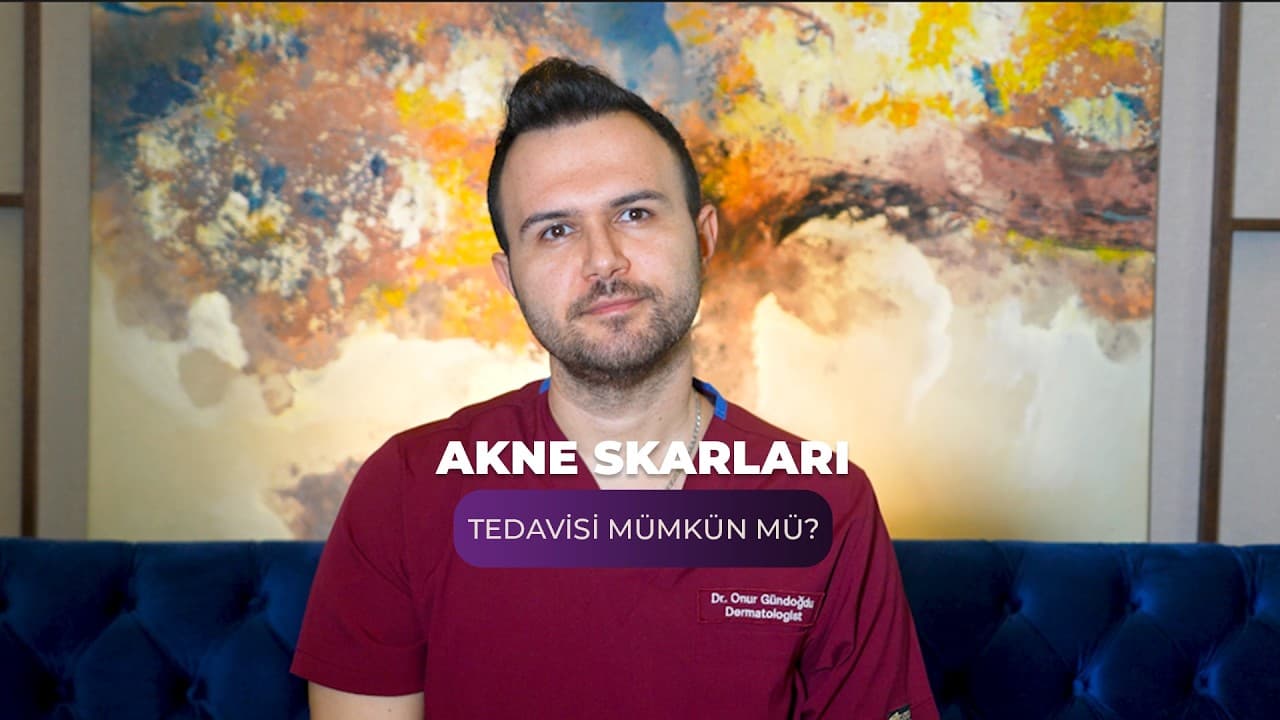
The methods that can be used for treating skin spots may vary depending on the type of pigmentation and the skin structure. Laser treatments, chemical peeling, and mesotherapy are among the most commonly used methods. In the video below, you can find detailed information about skin spot treatments.
Skin Spot Treatments Explained in the Video
- Spot treatment with BBL
- Chemical peeling
- Mesotherapy
- Combined spot treatments
- Q-switch laser spot treatment
Learn More About ABORTION
Feel Free To Consult Our Doctor

Our experienced team is currently online to answer all your questions.
Let us call you
Send us your phone number now to get more information.
What Are the Types of Skin Spots?
Skin spots are divided into different groups according to their formation mechanism, depth of placement, and triggering factors. Although each type of spot may look similar, the underlying cause, the skin layer where the pigment is located, and the tendency to become chronic may vary. Therefore, correct classification is the most important step in treatment planning. Applying the wrong method to the wrong type of spot may lead to insufficient results and darkening of the pigmentation. The most common types of spots we encounter are:
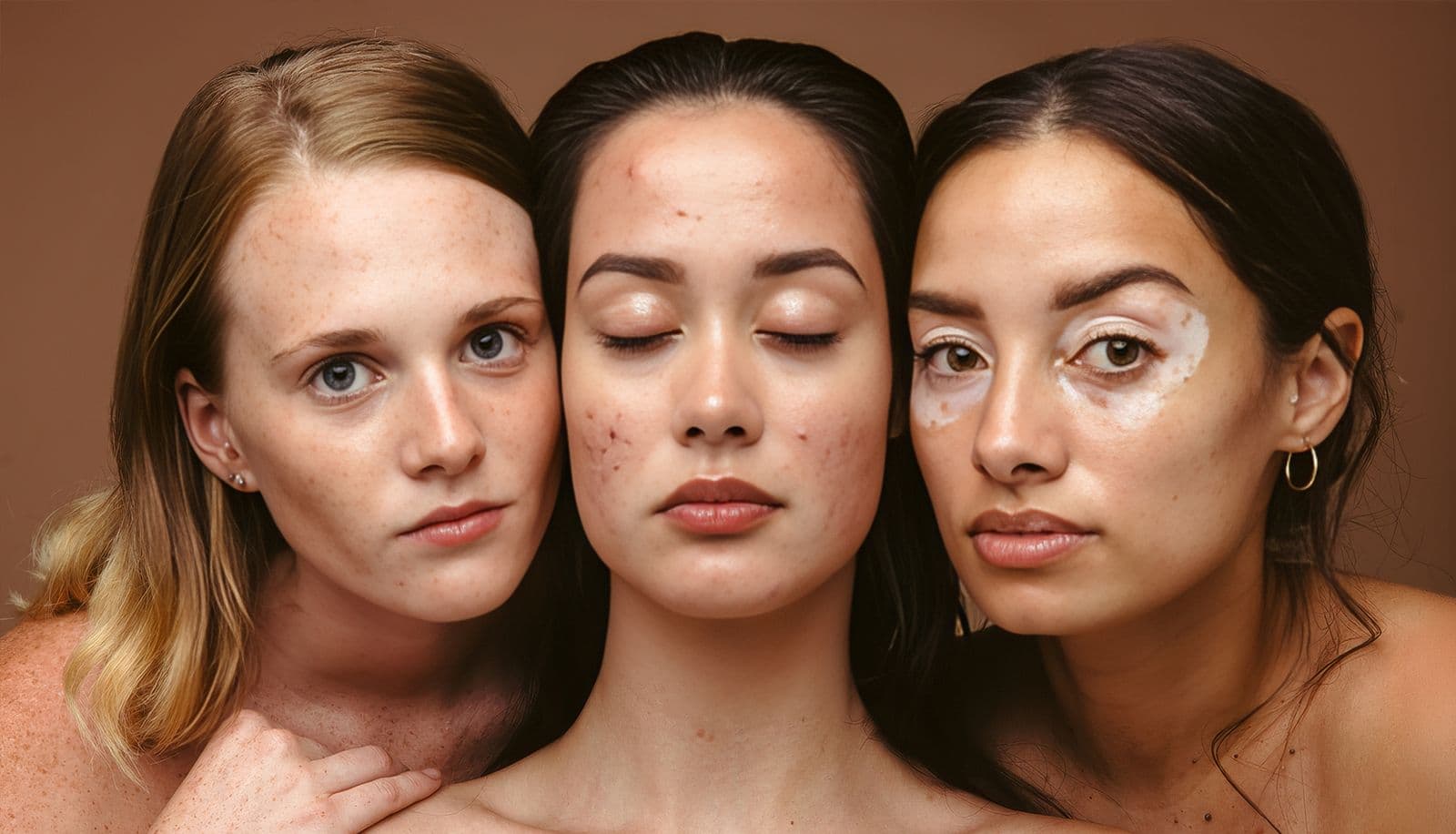
Sun Spots (Solar Lentigo);
They occur after long-term UV exposure. They are usually seen on the face, back of the hands, and shoulders. They are superficially located and successful results can be achieved with appropriate treatment.
Melasma;
It mostly develops due to hormonal changes. Pregnancy, birth control pills, or hormonal fluctuations may trigger it. It is symmetrically distributed and is usually seen on the cheeks, forehead, and upper lip area.
Freckles (Ephelides)
They are seen in individuals with a genetic predisposition. They darken with sun exposure and may lighten in winter.
Post-Acne Spots (Post-Inflammatory Hyperpigmentation)
They develop after acne or skin trauma. They are especially more noticeable in darker skin types.
Age-Related Pigmentation;
As the skin ages, melanin distribution may become irregular and differences in skin tone may occur.
Whether the spot is superficial or dermal (deeper) is the most critical factor in determining the treatment plan.
General Approach to Spot Treatment
It is not possible to achieve the same result in every patient with a single treatment method for spot treatment. For successful treatment, a detailed dermatological evaluation should first be performed, and the type and depth of the spot should be accurately analyzed.
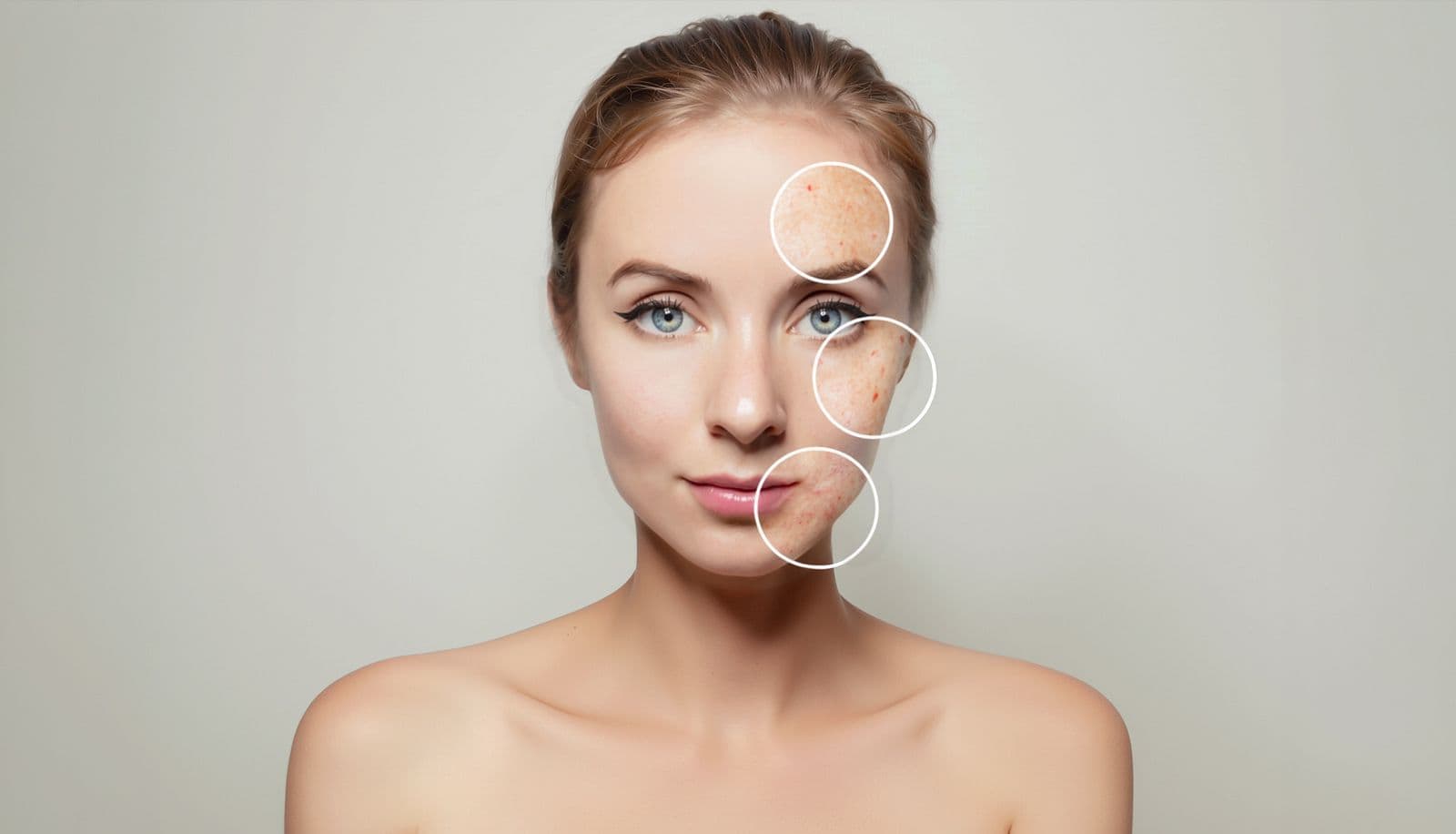
At our clinic, a personalized treatment plan is created and combined approaches are preferred. The goal is not only to lighten the spot, but also to maintain skin health and achieve a homogeneous, balanced, and natural appearance.
Topical and Oral Treatments
Topical products usually form the basis of treatment. Spot-lightening creams, serums, and medical formulations regulate pigment production and support the skin cell cycle.
When necessary, the process is supported with oral treatments. These treatments help control melanin production, increasing both effectiveness and long-term results.
This stage is especially important in chronic types of spots such as melasma.
Chemical Peeling and Mesotherapy Applications
Chemical Peeling
It helps lighten spots by renewing the upper layer of the skin in a controlled manner. It is quite effective for superficial spots and also provides overall brightness to the skin.
Mesotherapy
It involves delivering spot-lightening and skin-renewing ingredients under the skin through microinjection techniques. Since it is applied directly to the target area, it can provide a faster and more concentrated effect.
These methods are often applied in combination.
Light and Laser Systems
In some types of spots, advanced light and laser systems are preferred.
BBL (BroadBand Light) systems help even out the skin tone by targeting pigment.
Q-Switched laser systems break down pigment so that it can be naturally eliminated by the body.
However, laser and light systems are not suitable for every patient. They should always be applied with the correct indication after dermatological evaluation. Incorrect patient selection may worsen the spot.
Spot Treatment Methods and Their Features
Which method is applied in skin spot treatment is determined according to the type of spot, its depth, and the skin structure. Superficial spots and deeper pigmentation problems are not treated in the same way. In the table below, the most commonly applied spot treatment methods and their main characteristics are compared.
In summary, the most effective method in spot treatment is determined according to the individual and the type of spot. Standard procedures applied without proper analysis may not provide lasting results; therefore, treatment planning should always be carried out after physician evaluation.
How Much Are Spot Treatment Prices?
Spot treatment prices vary depending on the method to be applied, the type of spot, its extent, and the number of sessions required. Not every skin spot is the same; the treatment planning and technology used for superficial sun spots and deeply located melasma are different. Therefore, rather than a fixed price, the most accurate approach is to determine the exact cost after a personalized evaluation.
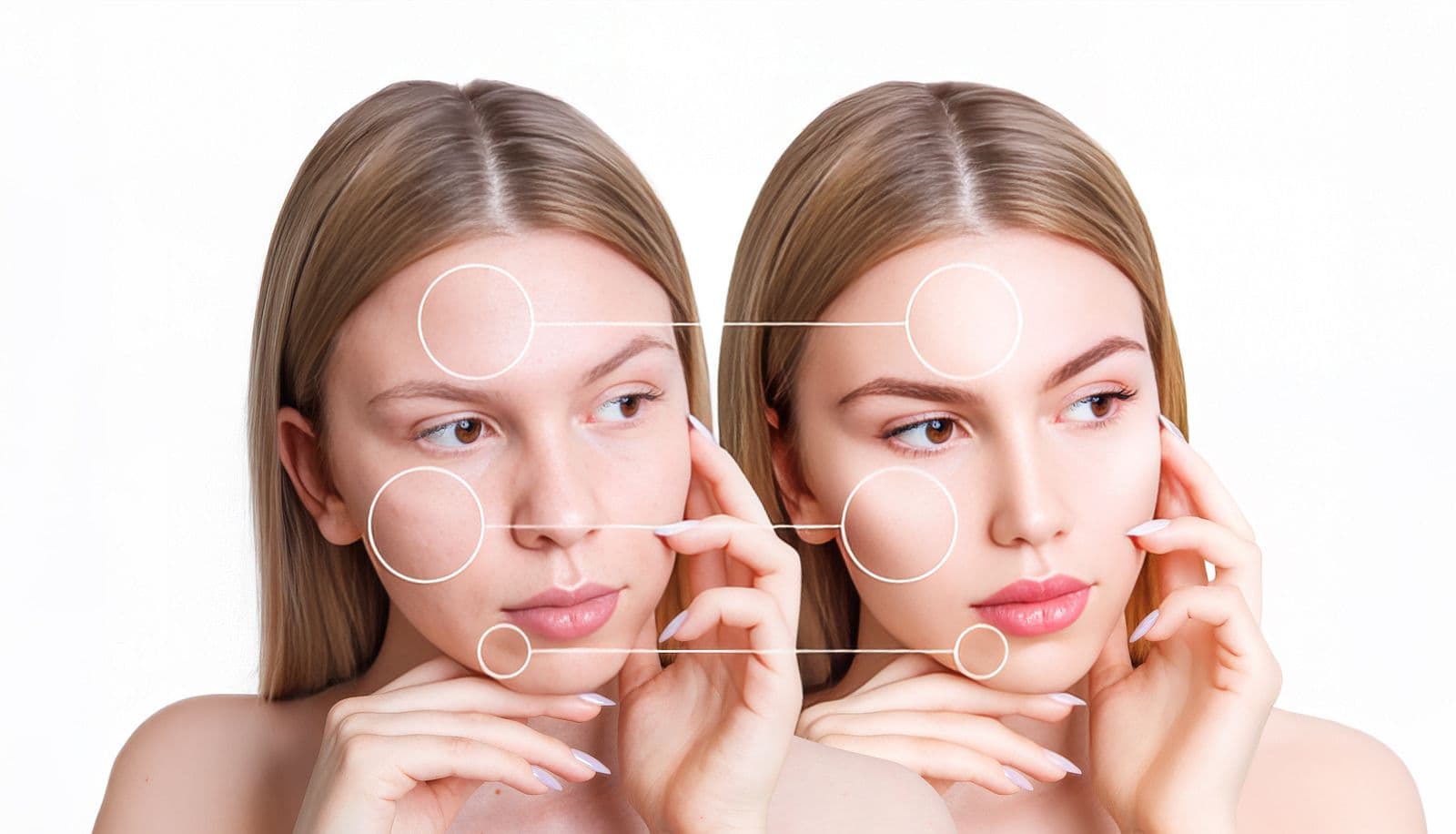
There may be price differences between laser spot treatment, chemical peeling, mesotherapy, or combined applications. In addition, the size of the treatment area and the number of required sessions are important factors affecting the total cost. For the most accurate price information, a skin analysis should first be performed and a personalized treatment plan should be created.
It should not be forgotten that the goal of spot treatment is not only to lighten the spot but also to ensure long-lasting results and prevent recurrence. Therefore, when evaluating the cost, the device technology used, physician supervision during the procedure, and the post-treatment follow-up process should also be taken into consideration.
The Importance of Protection in Spot Treatment
For the success achieved in spot treatment to be long-lasting, the protection phase is just as important as the treatments applied. Pigment production can be triggered again, especially by sunlight and environmental factors. A spot that has been lightened through treatment may quickly return or become darker if proper protection is not maintained. Therefore, spot treatment does not consist only of procedures performed in the clinic; home care protocols and conscious sun protection are integral parts of the process. The main points that should be considered in this regard are:
One of the most critical stages in spot treatment is protection;
- Regular use of high-protection sunscreen
- Conscious sun protection
- Following post-treatment recommendations
- Use of appropriate dermocosmetic products
These factors directly affect treatment success and long-term results.
Correct Diagnosis, Proper Planning
Success in treating skin spots is possible with accurate diagnosis, a scientific approach, and personalized planning. Every spot requires a different treatment and patience.
If you are looking for a reliable evaluation and a treatment plan tailored to the spots on your skin, we can determine the most suitable method together after a detailed skin analysis.
Healthy, even-toned, and radiant skin is possible with proper planning.
Learn More About ABORTION
Feel Free To Consult Our Doctor
Our experienced team is currently online to answer all your questions.
Learn More About ABORTION
Feel Free To Consult Our Doctor
Our experienced team is currently online to answer all your questions.