The Importance Of Protection In Spot Treatment
Private Dr. Arslan Polyclinic
The Importance of Protection in Spot Treatment
For the success achieved in spot treatment to be long-lasting, the protection process is just as important as the procedures performed in the clinic. Melanin production can be triggered again by sunlight, increased heat, hormonal changes, and environmental factors. A spot that has been lightened with treatment may darken again or become more widespread if proper protection is not maintained.
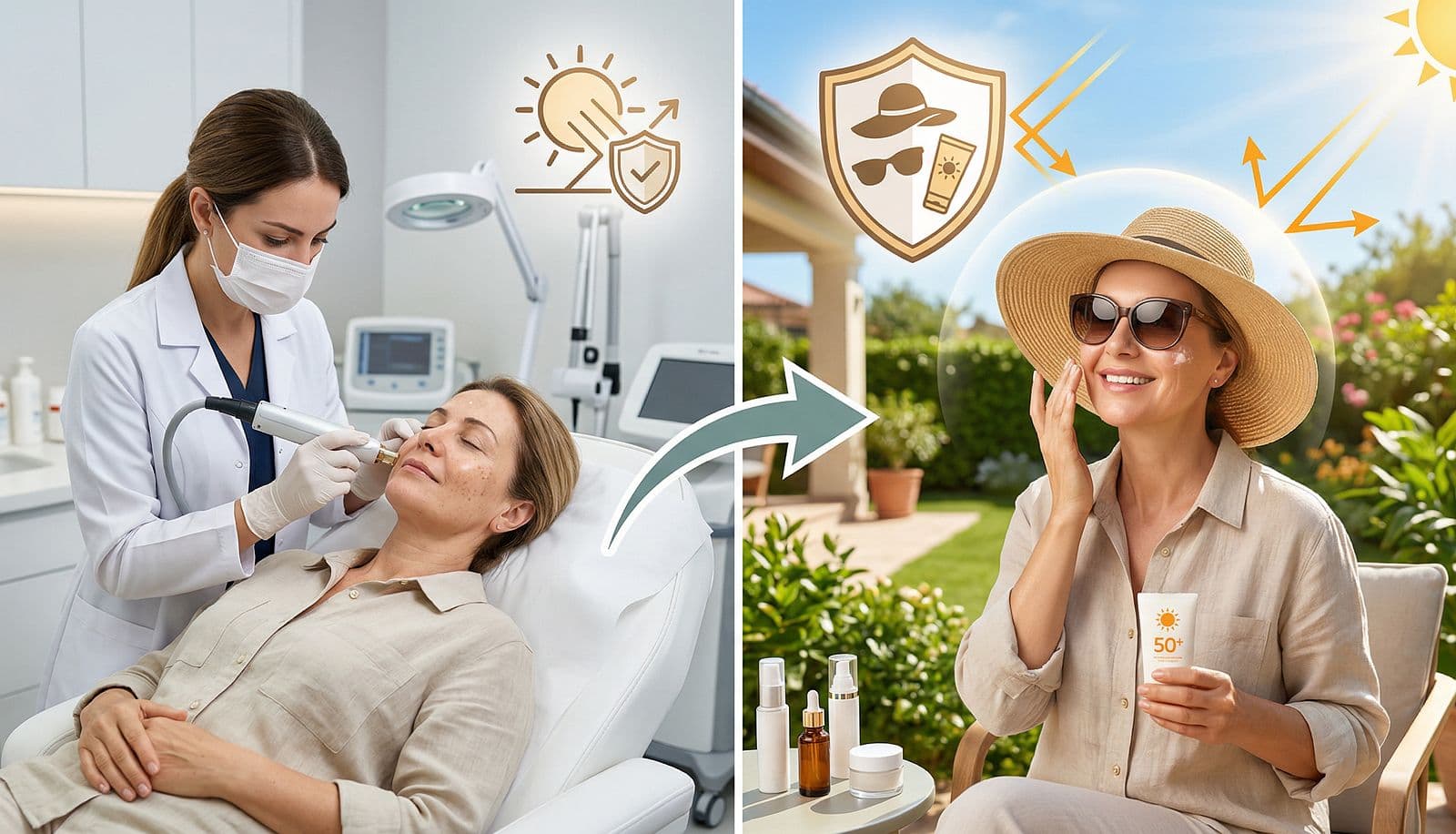
For this reason, spot treatment does not consist only of clinical procedures. A home care protocol, conscious sun protection, and regular follow-up are integral parts of the process. At the Private Dr. Arslan Polyclinic, the post-treatment protection protocol is explained in detail to patients in all planned spot treatments, and personalized recommendations are provided.
QUICK MENU
In the following sections of this page, you can find the topics listed below. Simply tap on any heading to quickly access the relevant section.
- Regular Use Of High-protection Sunscreen
- Conscious Sun Protection
- Compliance With Post-treatment Recommendations
- Using Appropriate Dermocosmetic Products
- Correct Diagnosis, Proper Planning
What You Should Know About Skin Spot Treatments
The methods that can be used for treating skin spots may vary depending on the type of pigmentation and the skin structure. Laser treatments, chemical peeling, and mesotherapy are among the most commonly used methods. In the video below, you can find detailed information about skin spot treatments.
Skin Spot Treatments Explained in the Video
- Spot treatment with BBL
- Chemical peeling
- Mesotherapy
- Combined spot treatments
- Q-switch laser spot treatment
Learn More About ABORTION
Feel Free To Consult Our Doctor

Our experienced team is currently online to answer all your questions.
Let us call you
Send us your phone number now to get more information.
Regular Use of High-Protection Sunscreen
The use of sunscreen is the cornerstone of spot treatment. UV rays directly increase melanin production and activate pigment cells. Since the skin becomes more sensitive after treatment, protection against UV exposure becomes even more critical.
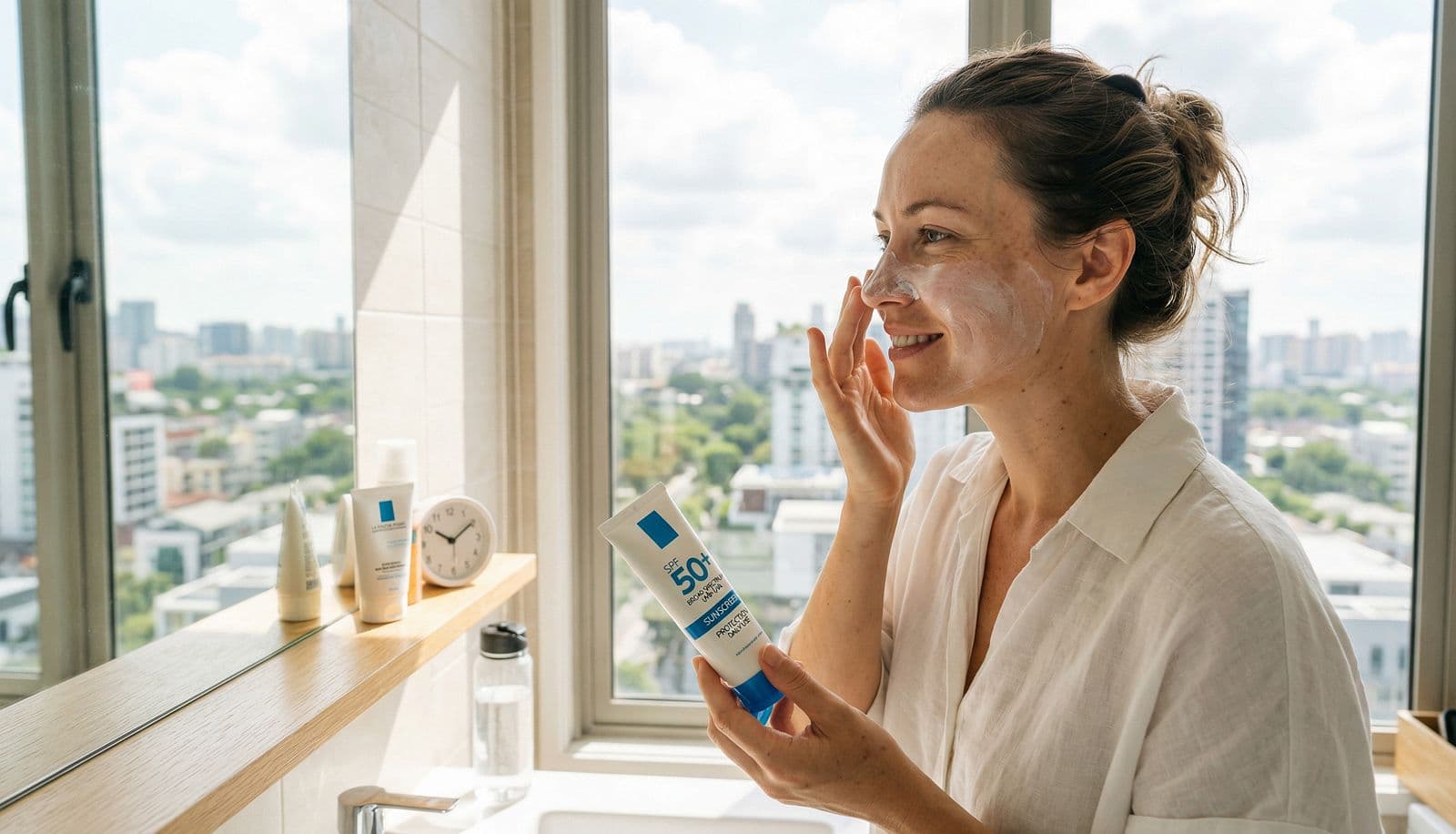
Points to consider for protection:
- Choosing broad-spectrum (UVA + UVB) products with at least SPF 30–50
- Regular use in both summer and winter
- Reapplication every 2–3 hours during the day
- Applying a sufficient amount
Sunscreen should be used regularly not only at the beach but also in daily city life. Even UVA rays passing through windows can trigger pigmentation.
Conscious Sun Protection
Using sunscreen alone is not enough. Physical protection methods also play a decisive role in treatment success. Especially after procedures such as BBL, peeling, or mesotherapy, the skin may become more sensitive.

For conscious protection:
- Avoiding direct sun exposure during midday hours
- Using hats and sunglasses
- Avoiding prolonged sun exposure
- Staying away from solariums
These precautions help maintain the lightening achieved through treatment and reduce the risk of new spot formation.
Compliance with Post-Treatment Recommendations
Success in spot treatments depends not only on the procedure but also on the patient’s compliance with recommendations. Post-treatment care instructions regulate the skin’s healing process and reduce the risk of side effects.
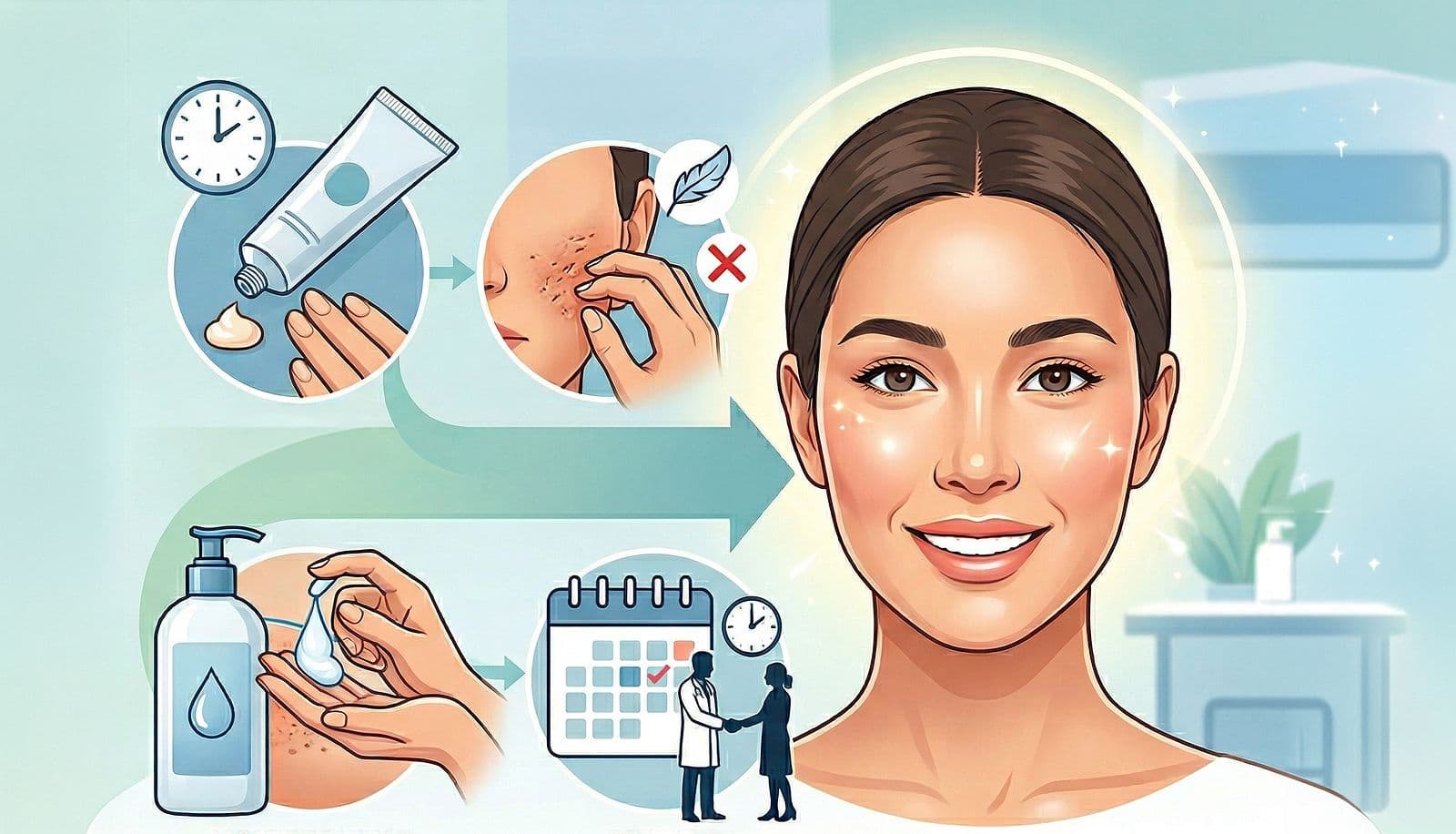
Important points for compliance:
- Regular use of prescribed creams
- Avoid stressing the skin during periods of peeling or sensitivity
- Providing moisturizing support after peeling
- Not missing follow-up appointments
Failure to follow recommendations may lead to increased pigmentation, sensitivity, or irregular pigment formation.
Using Appropriate Dermocosmetic Products
Dermocosmetic products used during the spot treatment process support the effectiveness of clinical procedures. Choosing the wrong products may increase the risk of irritation and rebound pigmentation (re-darkening).
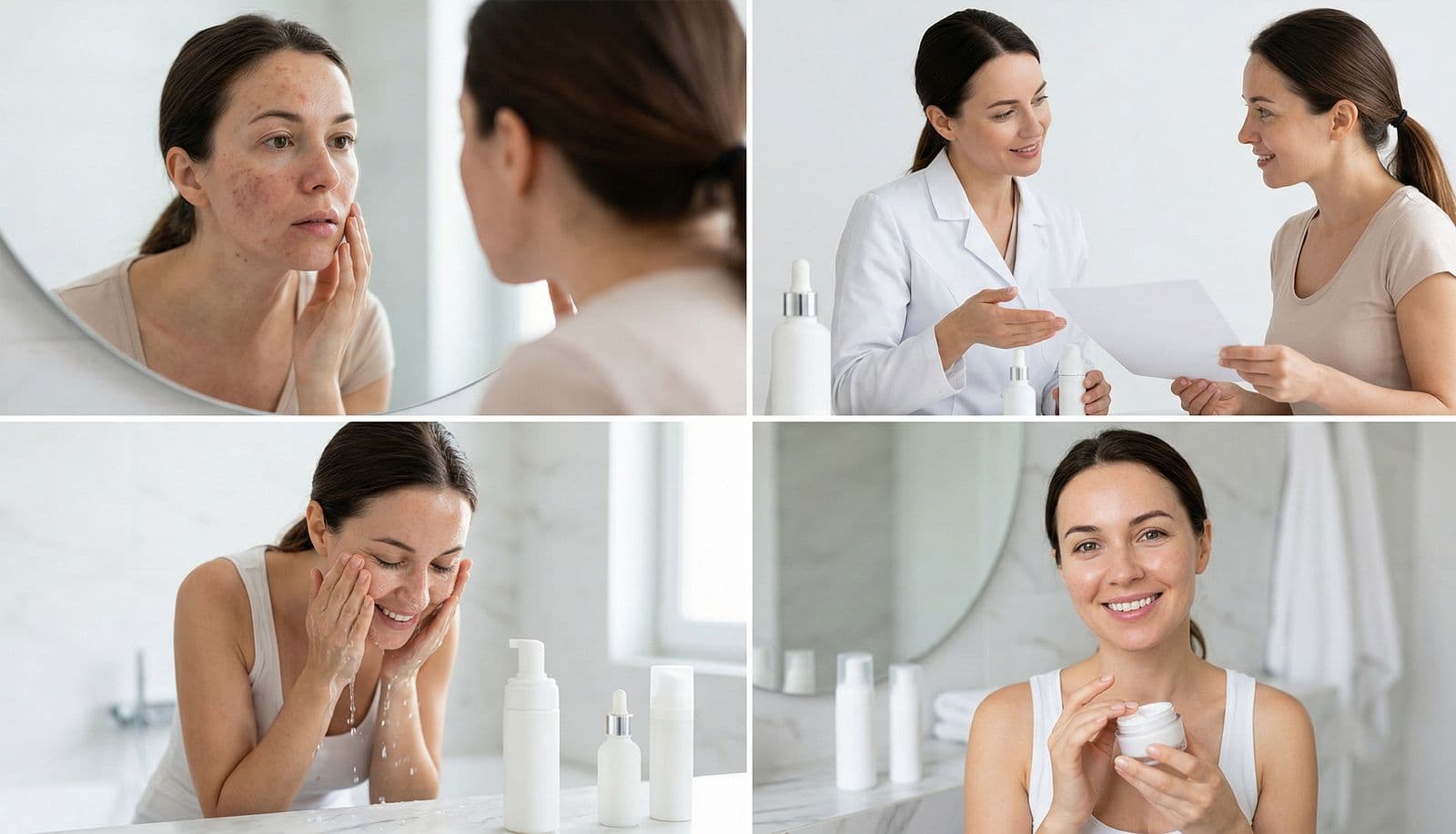
Therefore:
- Choose cleansers suitable for your skin type
- Use pigment-suppressing ingredients with physician recommendation
- Avoid irritating products
- Do not neglect regular moisturizing
The home care protocol is considered a continuation of the clinical treatment and directly affects the long-term success of the process.
Correct Diagnosis, Proper Planning
Long-term success in treating skin spots is possible with accurate diagnosis, a scientific approach, and personalized planning. Each type of pigmentation has a different mechanism and requires patience. Incorrect product use or uninformed applications may make spots more noticeable.

At the Private Dr. Arslan Polyclinic, both treatment and protection plans are created together after a detailed skin analysis. Our goal is not only to reduce existing spots but also to maintain a healthy, even-toned, and radiant skin appearance in the long term.
Healthy and balanced skin is possible with proper planning and conscious protection.
Learn More About ABORTION
Feel Free To Consult Our Doctor
Our experienced team is currently online to answer all your questions.
Frequently Asked Questions About Protection in Spot Treatment
In the treatment of skin spots, the protection process after treatment is just as important as the procedures performed. Sun exposure, environmental factors, and skincare habits can trigger pigment production again. Therefore, applying correct protection methods after spot treatment plays an important role in maintaining long-lasting results.
Sun protection after spot treatment is important to prevent new pigment formation. UV rays can increase melanin production, which may cause spots to reappear or darken.
Using sunscreen after spot treatment can help maintain treatment results. High-protection sunscreens support the skin’s protection against UV rays.
After spot treatment, spots may gradually return if sun exposure and other pigmentation triggers continue. Therefore, regular skincare and sun protection are important.
After spot treatment, sunscreens and dermocosmetic products that support the skin barrier may be preferred. These products may help reduce pigment formation and support skin recovery.
Going out in the sun after spot treatment may increase the risk of pigmentation if adequate protection is not used. Therefore, sun protection is especially important during the recovery period.
Physical protection can help reduce direct sun exposure to the skin. Wearing a hat and similar protective measures can support sun protection.
Maintaining proper skincare after spot treatment is important for preserving the results. Regular sun protection and appropriate skincare may help reduce pigment formation in the long term.
In some cases, spots may temporarily appear darker after treatment. This may be part of the skin’s natural renewal process and usually fades over time.
More Content



Learn More About ABORTION
Feel Free To Consult Our Doctor
Our experienced team is currently online to answer all your questions.