Types Of Skin Spots
Private Dr. Arslan Polyclinic
Types of Skin Spots
Skin spots are color changes that occur due to an increase or irregular distribution of melanin pigment. However, not all spots are the same. Their causes, the skin layer where they are located (epidermal or dermal), hormonal and environmental triggers, and their tendency to become chronic may differ. Therefore, when planning skin spot treatment in Istanbul, the first step is accurate classification.
At Private Dr. Arslan Polyclinic, located on Abdi İpekçi Street in the center of Nişantaşı, we provide personalized evaluations for spot treatment. Treatments are not planned without analyzing the type and depth of the spot. Choosing the wrong method may lead to insufficient results and even darkening of the pigment.
Below you can find the most common types of skin spots explained in detail.
QUICK MENU
In the following sections of this page, you can find the topics listed below. Simply tap on any heading to quickly access the relevant section.
- Types Of Skin Spots And Their Characteristics
- Sun Spots (solar Lentigo)
- Melasma
- Freckles (ephelides)
- Post-acne Spots (post-inflammatory Hyperpigmentation)
- Under-eye Pigmentation (periorbital Hyperpigmentation)
- Age-related Pigmentation
- Why Is Proper Analysis Important In Spot Treatment?
What You Should Know About Skin Spot Treatments
The methods that can be used for treating skin spots may vary depending on the type of pigmentation and the skin structure. Laser treatments, chemical peeling, and mesotherapy are among the most commonly used methods. In the video below, you can find detailed information about skin spot treatments.
Skin Spot Treatments Explained in the Video
- Spot treatment with BBL
- Chemical peeling
- Mesotherapy
- Combined spot treatments
- Q-switch laser spot treatment
Learn More About ABORTION
Feel Free To Consult Our Doctor


Our experienced team is currently online to answer all your questions.
Let us call you
Send us your phone number now to get more information.
Types of Skin Spots and Their Characteristics
Skin spots may appear due to different causes, and each type has different characteristics. The most common types include sun spots, melasma, freckles, and post-acne marks. The table below compares the main characteristics of common skin spot types.
In summary, the type and cause of skin spots differ. Therefore, correctly identifying the type of spot is crucial for selecting the most appropriate treatment method.
Sun Spots (Solar Lentigo)
Sun spots are pigment increases that develop due to prolonged UV exposure. They usually appear in light brown tones, with clear borders and a round shape. They are the reflection of accumulated sun damage on the skin over the years.
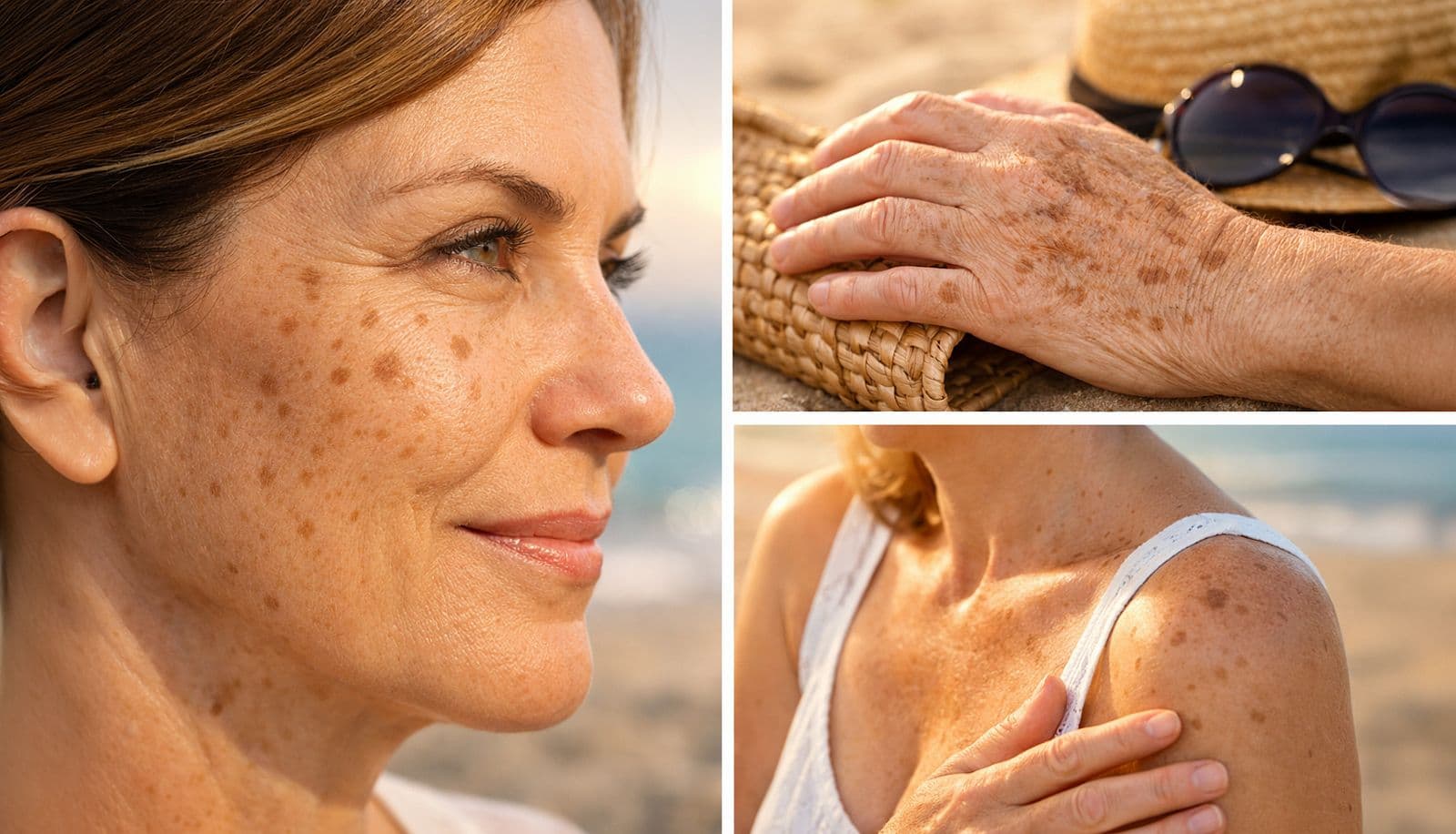
Most commonly seen areas:
- Face
- Back of the hands
- Shoulders and décolleté
They are mostly superficial. Therefore, successful results can be achieved with the correct device and treatment protocol. However, there is a risk of recurrence if effective sun protection is not maintained.
Melasma
Melasma is a chronic pigmentation problem often associated with hormonal changes and has a tendency to recur. It usually appears symmetrically and commonly affects the cheeks, forehead, and upper lip area.
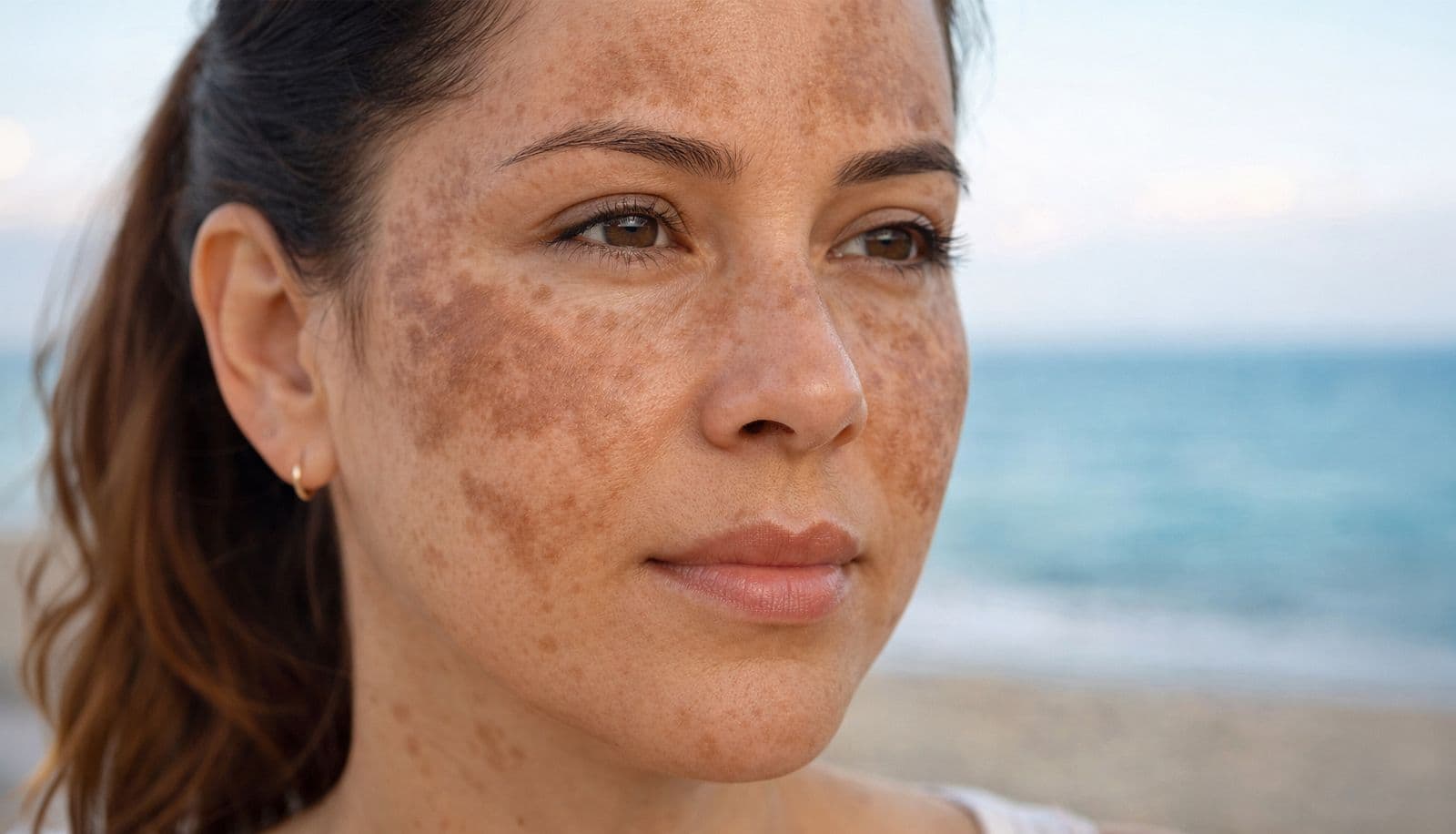
Triggering factors:
- Pregnancy
- Birth control pills
- Hormonal changes
- Sun exposure
Melasma often has both epidermal and dermal components. Therefore, it requires a patient, combined, and personalized treatment plan. Aggressive or uninformed treatments may darken the spot.
Freckles (Ephelides)
Freckles are small pigment spots associated with genetic predisposition. They are more common in individuals with fair skin and usually begin during childhood.

Characteristics:
- Darken in summer
- May lighten in winter
- Most commonly seen around the nose and cheeks
They represent superficial pigment increase. If they create aesthetic concerns, skin tone can be balanced with appropriate treatments.
Post-Acne Spots (Post-Inflammatory Hyperpigmentation)
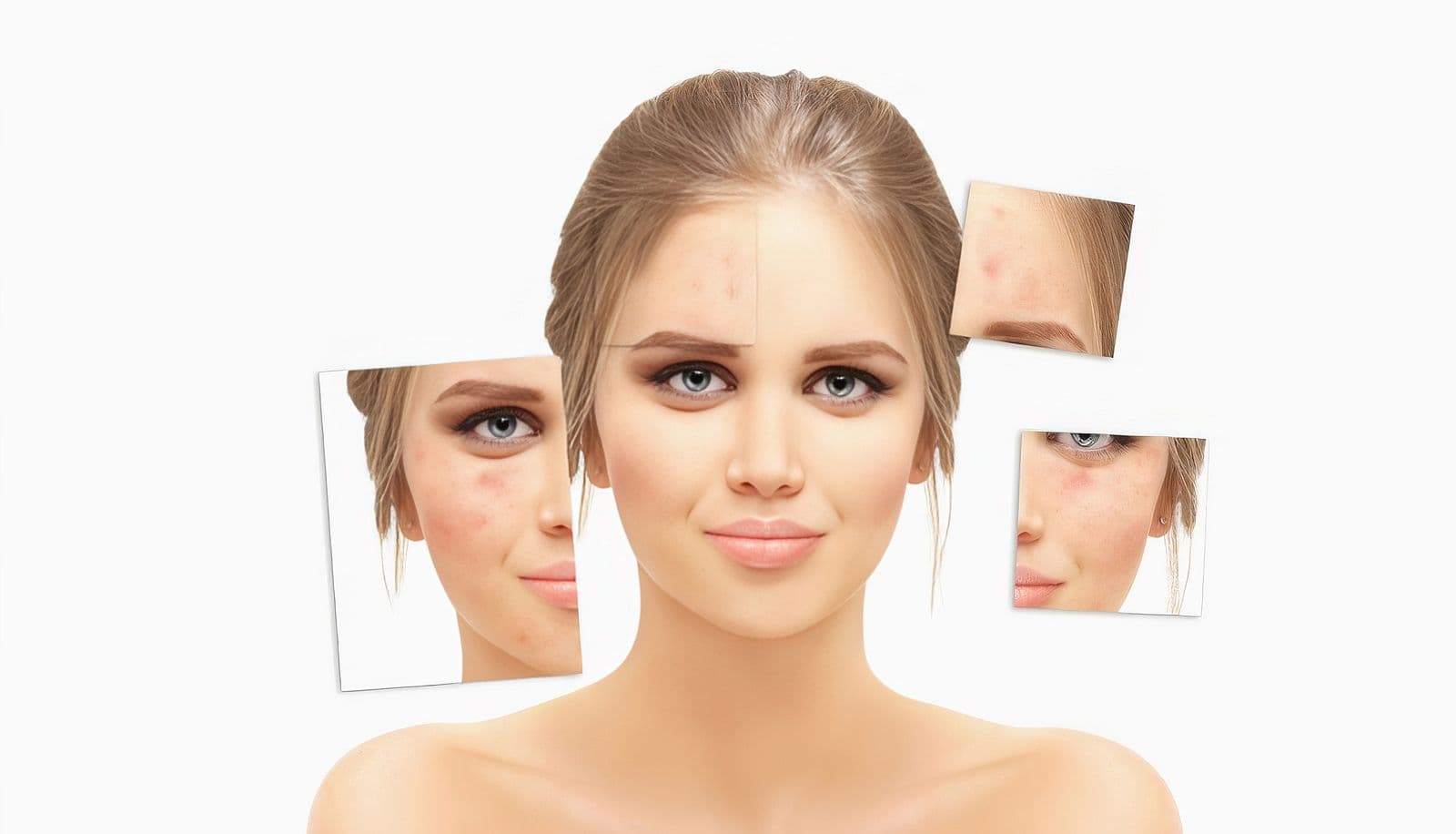
These are dark marks that develop after acne or skin trauma. They can be more noticeable in darker skin types. Squeezing pimples may increase the likelihood of these marks.
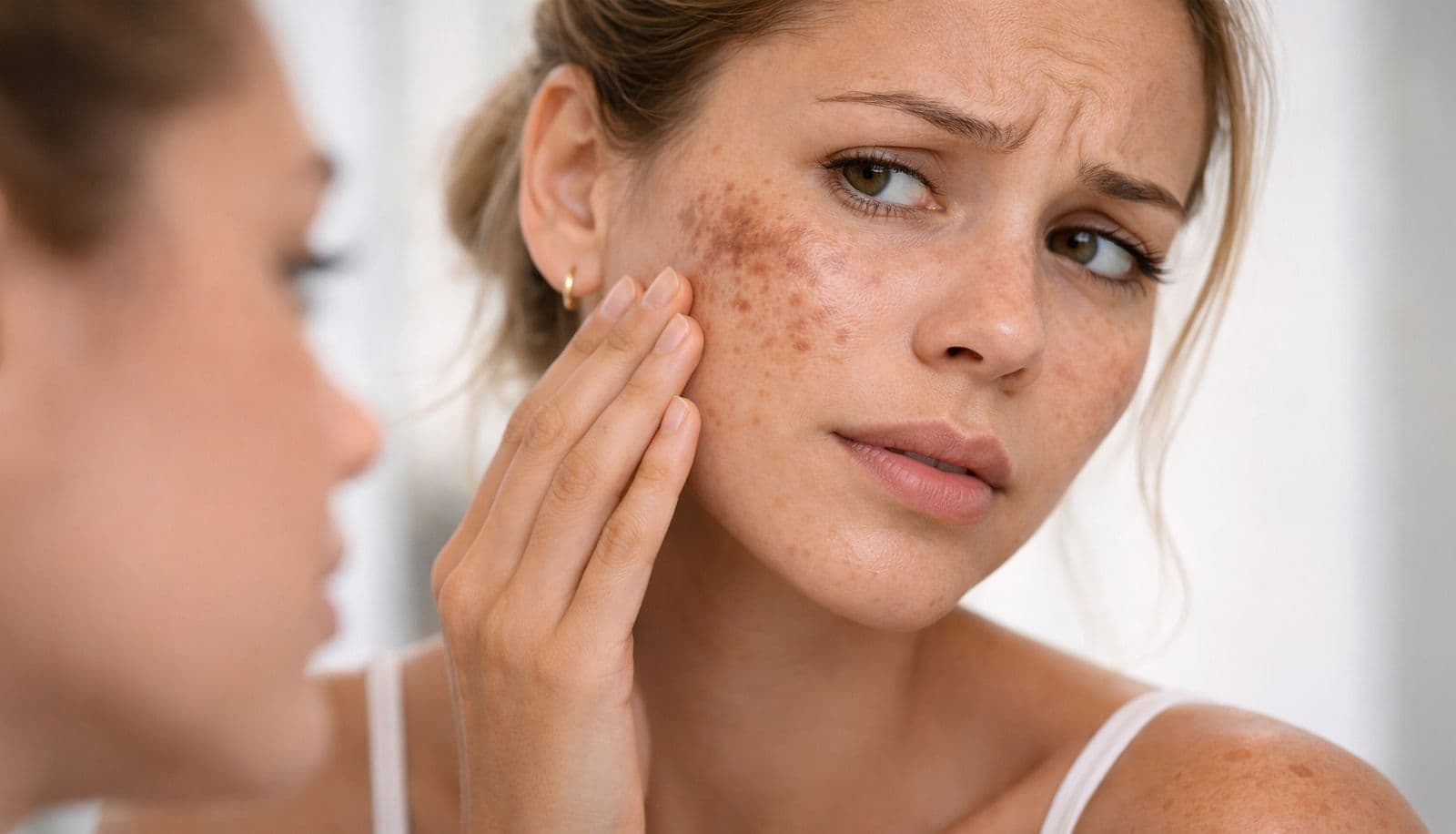
Formation process:
- Inflammation develops in the skin
- Melanin production increases
- Pigment may remain after healing
These spots may be superficial or dermal. Procedures performed without controlling active acne may not provide lasting results.
Under-Eye Pigmentation (Periorbital Hyperpigmentation)
Under-eye pigmentation (periorbital hyperpigmentation) is characterized by dark discoloration around the eye area. It is often associated with genetic predisposition, thin skin structure, visible blood vessels, sun exposure, and increased melanin production.
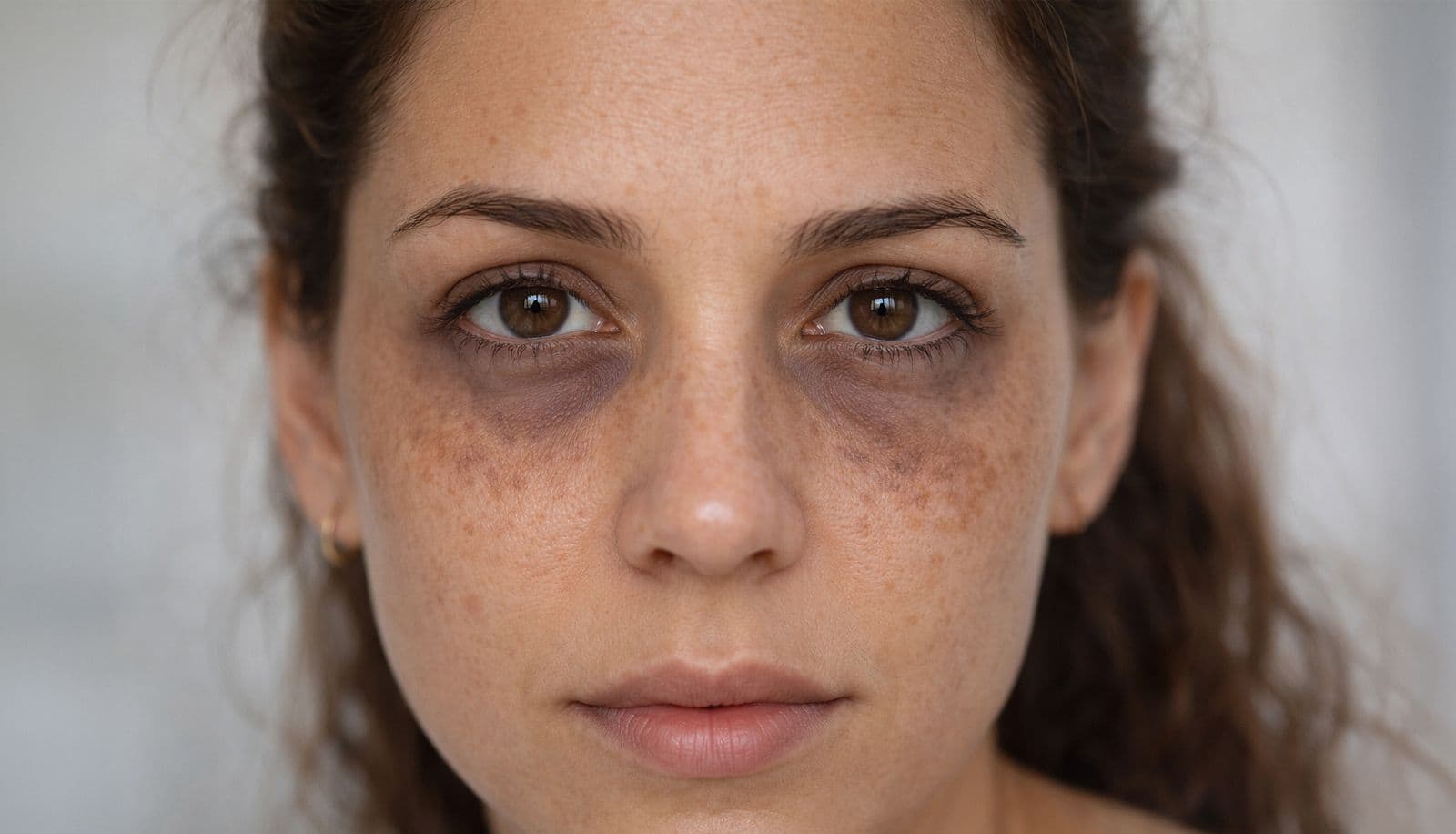
In some individuals, under-eye spots appear as brown pigmentation, while in others they may appear as purple or dark shadows. Fatigue, lack of sleep, allergic conditions, and age-related skin thinning may also make discoloration in the under-eye area more noticeable.
Age-Related Pigmentation
As age progresses, melanin distribution may become irregular and differences in skin tone may appear. This is usually associated with chronic sun damage.
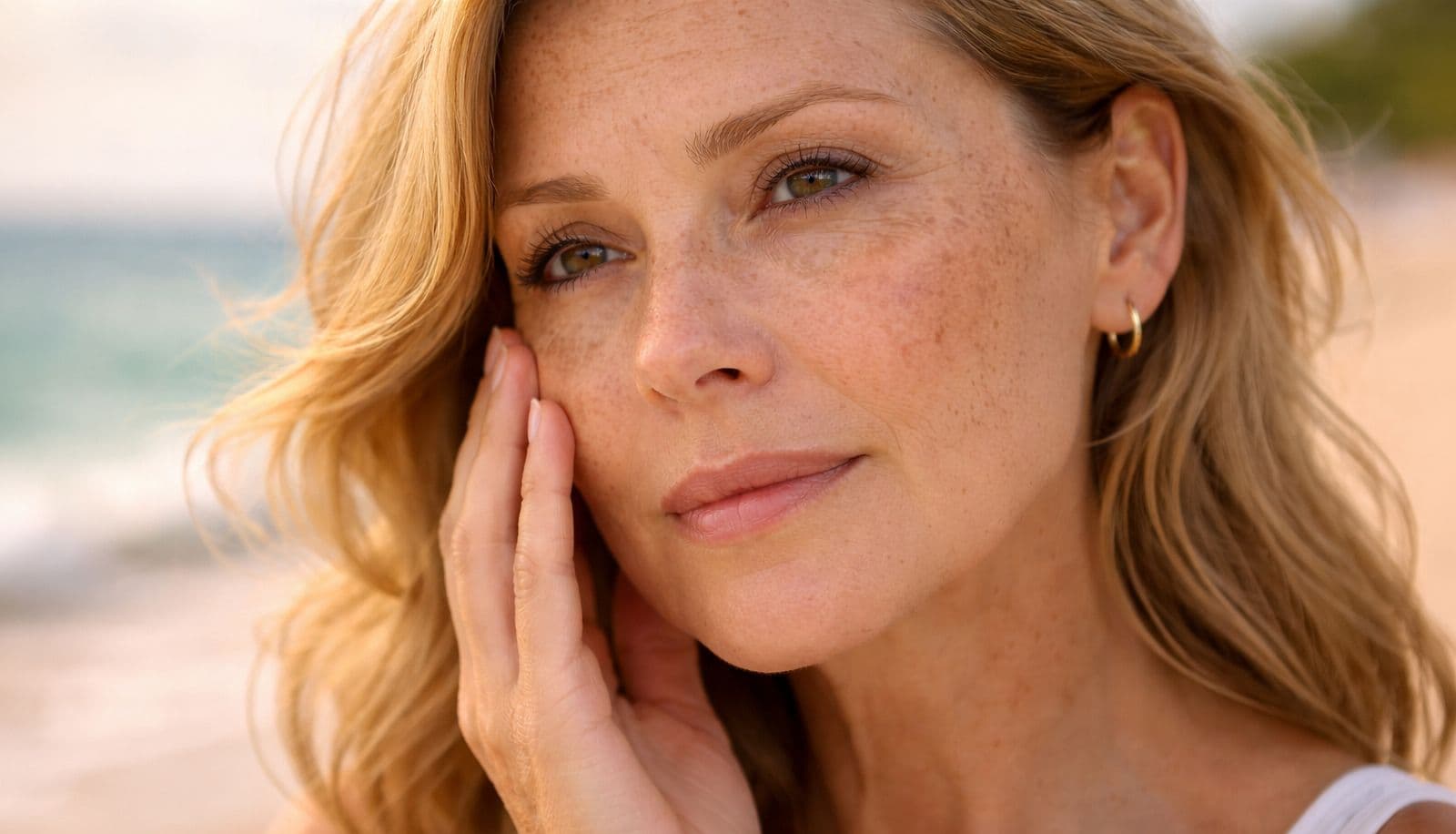
Key characteristics:
- Uneven tone differences
- Dull and tired appearance
- Presence of multiple spot types together
In such cases, combined treatments targeting overall skin quality rather than only the spots should be planned.
Why Is Proper Analysis Important in Spot Treatment?
When planning spot treatment in Nişantaşı, the most critical point is determining whether the spot is superficial or dermal. Superficial spots respond faster, while dermal spots require a more controlled and longer treatment process.
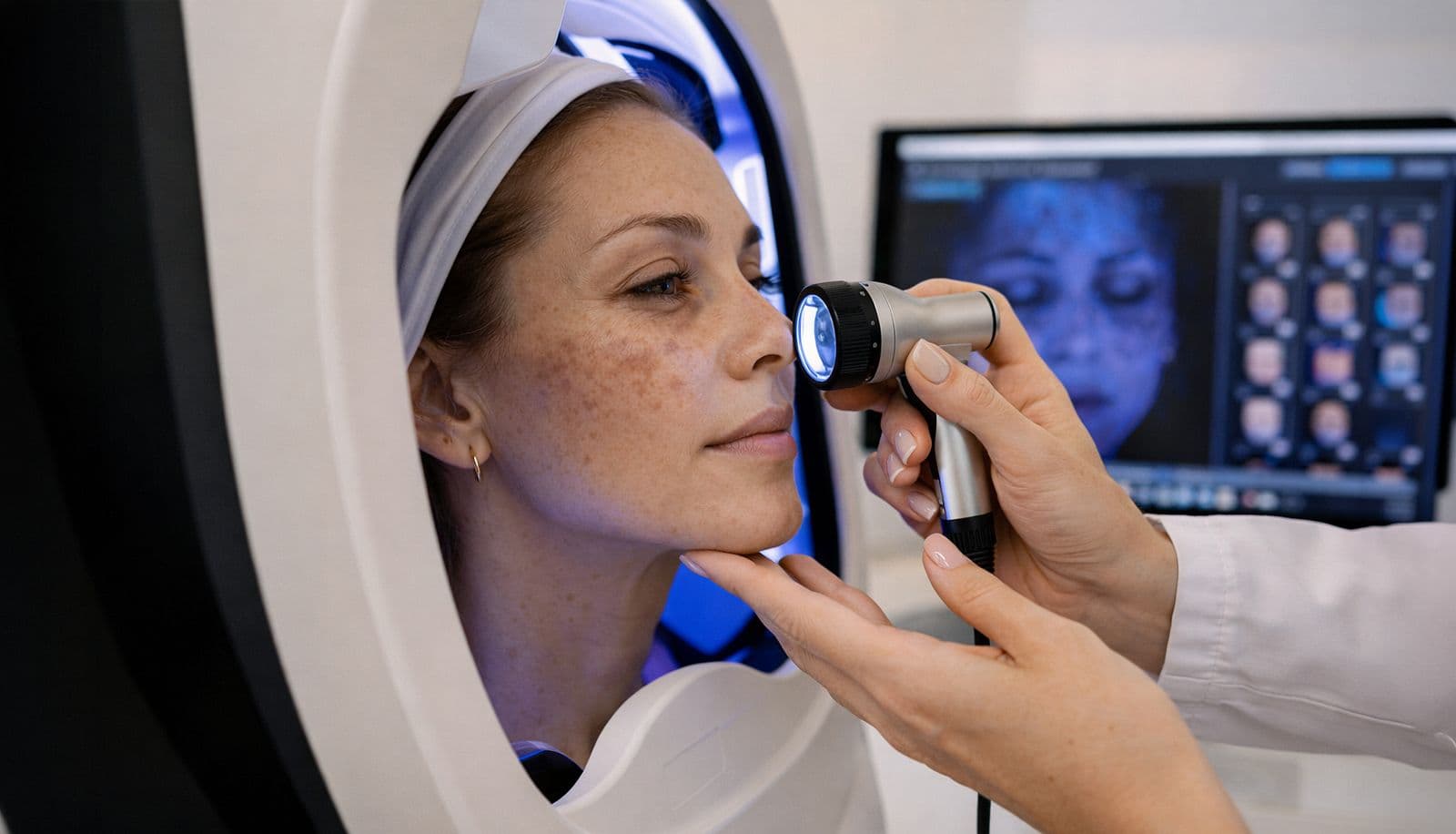
At Private Dr. Arslan Polyclinic, a personalized treatment plan is created after a detailed skin analysis. Our goal is not only to reduce spots but also to safely achieve healthy, bright, and balanced-looking skin.
Learn More About ABORTION
Feel Free To Consult Our Doctor
Our experienced team is currently online to answer all your questions.
Frequently Asked Questions About Types of Skin Spots
Skin spots are pigment increases that occur due to sun exposure, hormonal changes, aging, and inflammatory processes in the skin. The most common types include sun spots, melasma, freckles, age spots, and post-acne marks. Correctly identifying the type of spot is crucial for selecting the most effective treatment method.
A sun spot is an increase in brown pigmentation on the skin caused by prolonged exposure to UV rays. It is most commonly seen on the face, backs of the hands, and the décolleté area. Without regular use of sunscreen, it may darken over time.
Melasma is a pigmentation problem characterized by symmetrical brown spots on the face caused by hormonal changes. Pregnancy, birth control pills, and sun exposure are among the most common causes.
Freckles are small light-brown skin spots that develop due to genetic predisposition and sun exposure. They are most common in individuals with fair skin and become more visible during the summer months.
Age spots are dark pigmentation spots that develop due to chronic sun exposure and aging. They usually appear after the age of 40 and are more common on sun-exposed areas of the skin.
Post-acne spots are brown or red discolorations that develop after acne or inflammatory skin conditions. After the skin heals, the increase in pigmentation may remain.
Pregnancy spots are a type of melasma that develops due to increased hormone levels during pregnancy. They most commonly appear on the cheeks, forehead, and upper lip.
Hyperpigmentation is the general term for dark areas on the skin caused by increased melanin production. Sun exposure, hormonal changes, and skin trauma may lead to this condition.
Post-inflammatory hyperpigmentation is the increase in dark pigmentation that occurs after inflammation, trauma, or dermatological procedures on the skin. It is especially common after acne and may require appropriate treatment.
More Content




Learn More About ABORTION
Feel Free To Consult Our Doctor
Our experienced team is currently online to answer all your questions.