Pigmentation Treatment With Q-switch Laser
Private Dr. Arslan Clinic
Pigmentation Treatment with Q-Switch Laser
Q-Switch laser pigmentation treatment is a modern and targeted medical aesthetic procedure designed to reduce the appearance of pigmentation concerns on the skin. Q-Switch laser technology focuses on breaking down pigments in the skin using high-energy, short pulses, making it an effective approach particularly for sun spots, freckles, and post-acne discoloration. This method stands out for its ability to target underlying pigment accumulation while having minimal impact on the skin surface.
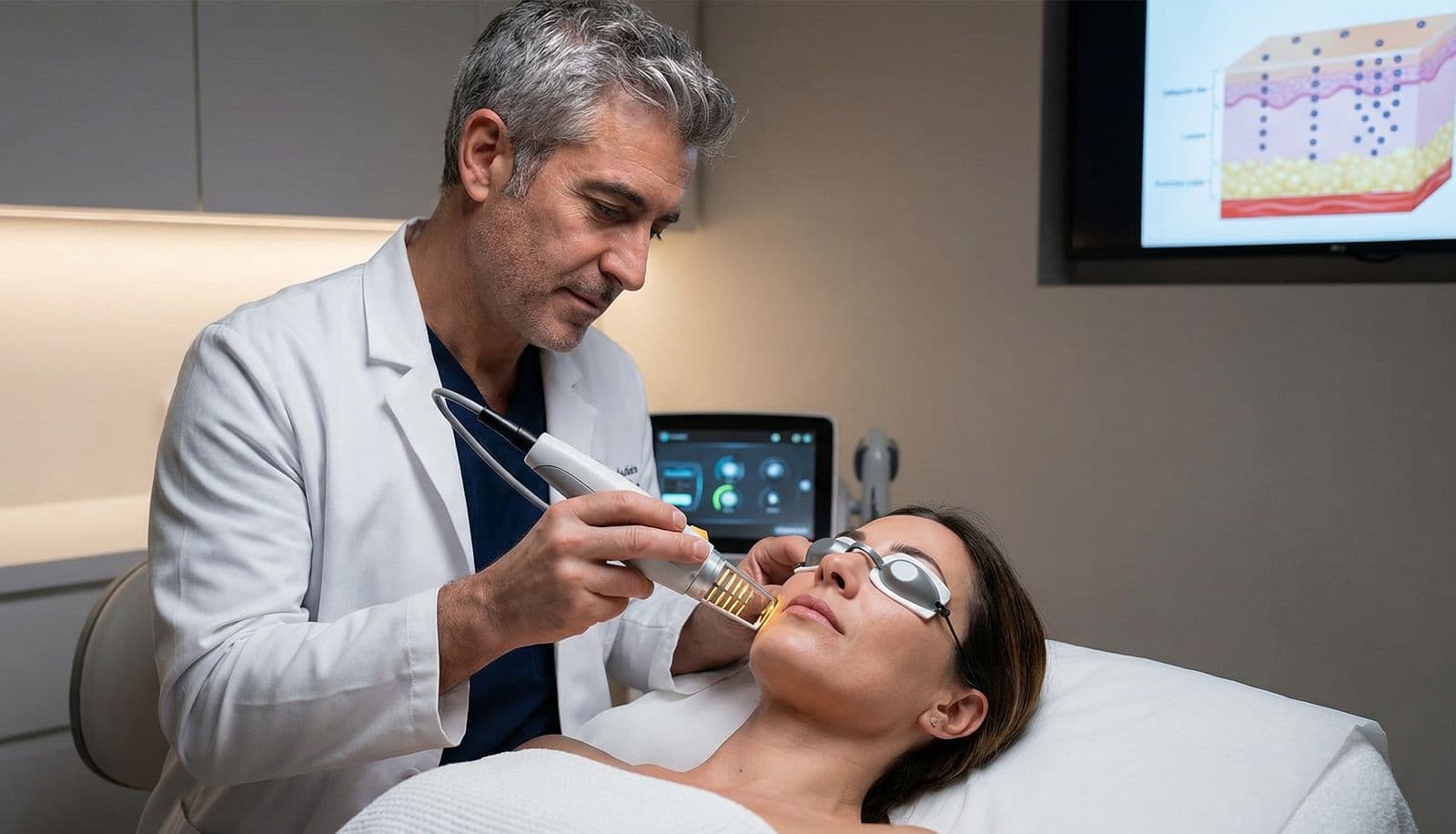
This treatment is based on the principle of pigment targeting. Laser energy selectively targets pigment structures responsible for skin coloration and supports their breakdown. Thanks to melanin-focused laser technology, it aims to work without damaging surrounding tissues, allowing for a controlled and precise treatment process.
QUICK MENU
In the following sections of this page, you can find the topics listed below. Simply tap on any heading to quickly access the relevant section.
- What Is Q-switch Laser?
- Which Pigmentation Issues Can Q-switch Laser Treat?
- How Does Q-switch Laser Work?
- What Is The Difference Between Q-switch Laser And Fractional Laser?
- How Many Sessions Are Required For Q-switch Laser?
- What Is The Recovery Process After Q-switch Laser?
- Comparison Of Q-switch Laser And Other Pigmentation Treatments
- Is Q-switch Laser Permanent?
- Q-switch Laser Prices 2026 – How Much Does It Cost?
What You Should Know About Skin Spot Treatments
The methods that can be used for treating skin spots may vary depending on the type of pigmentation and the skin structure. Laser treatments, chemical peeling, and mesotherapy are among the most commonly used methods. In the video below, you can find detailed information about skin spot treatments.
Skin Spot Treatments Explained in the Video
- Spot treatment with BBL
- Chemical peeling
- Mesotherapy
- Combined spot treatments
- Q-switch laser spot treatment
Learn More About ABORTION
Feel Free To Consult Our Doctor

Our experienced team is currently online to answer all your questions.
Let us call you
Send us your phone number now to get more information.
What is Q-Switch Laser?
Q-Switch laser is one of the advanced laser technologies developed to target pigmentation problems in the skin. This system works with very short and high-energy pulses to break down pigment structures responsible for skin discoloration. It is among the melanin-targeted laser technologies commonly used in pigmentation treatments.
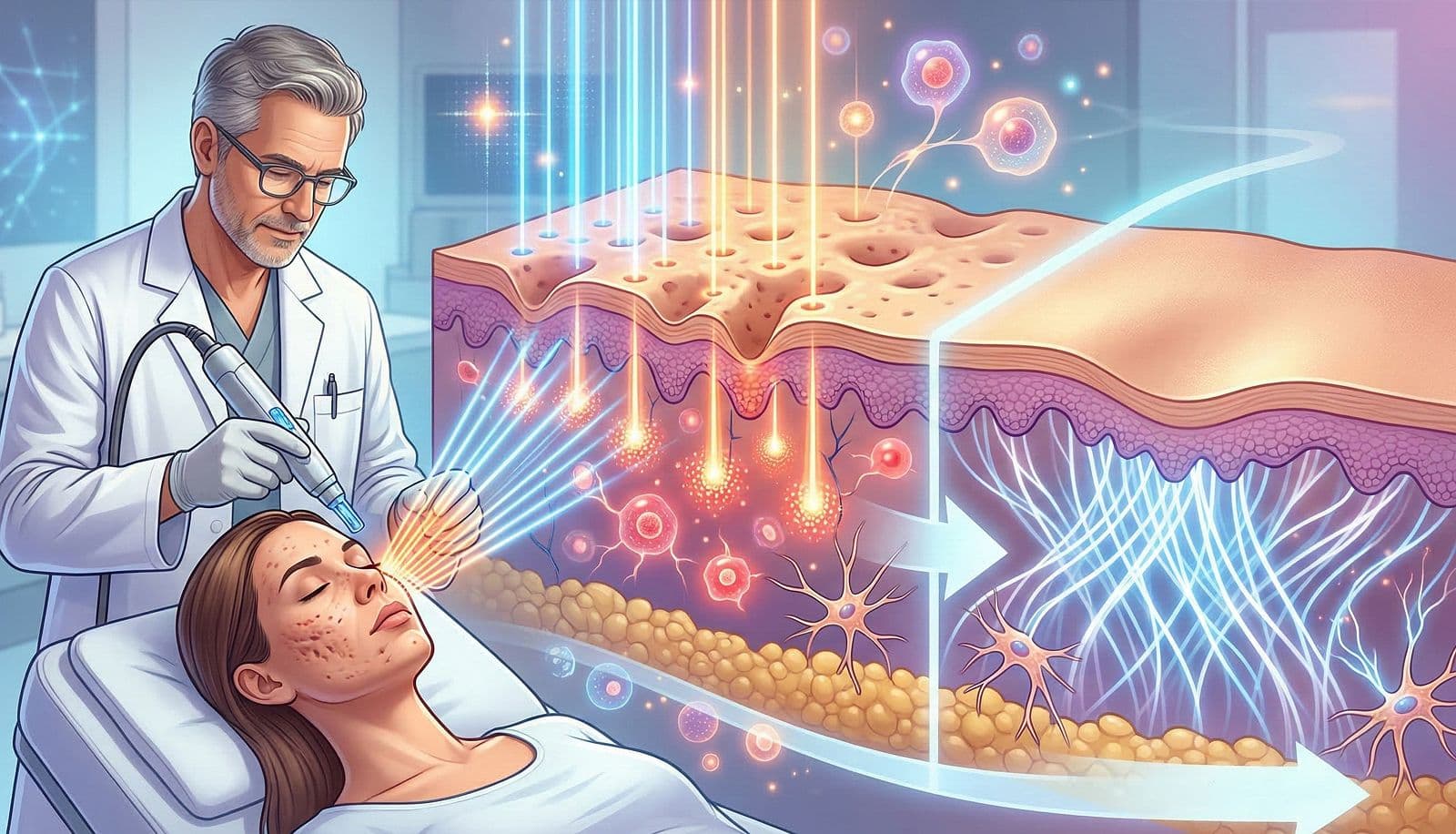
Q-Switch laser technology is a selective laser system designed to work with minimal impact on surrounding tissues. While targeting areas with high pigment concentration, it aims to preserve the overall structure of the skin and ensure a more controlled treatment process.
Which Pigmentation Issues Can Q-Switch Laser Treat?
Q-Switch laser is a pigmentation treatment method that can be applied to various pigmentation concerns caused by different factors. Since the type, depth, and skin structure directly affect the treatment plan, the process is personalized.
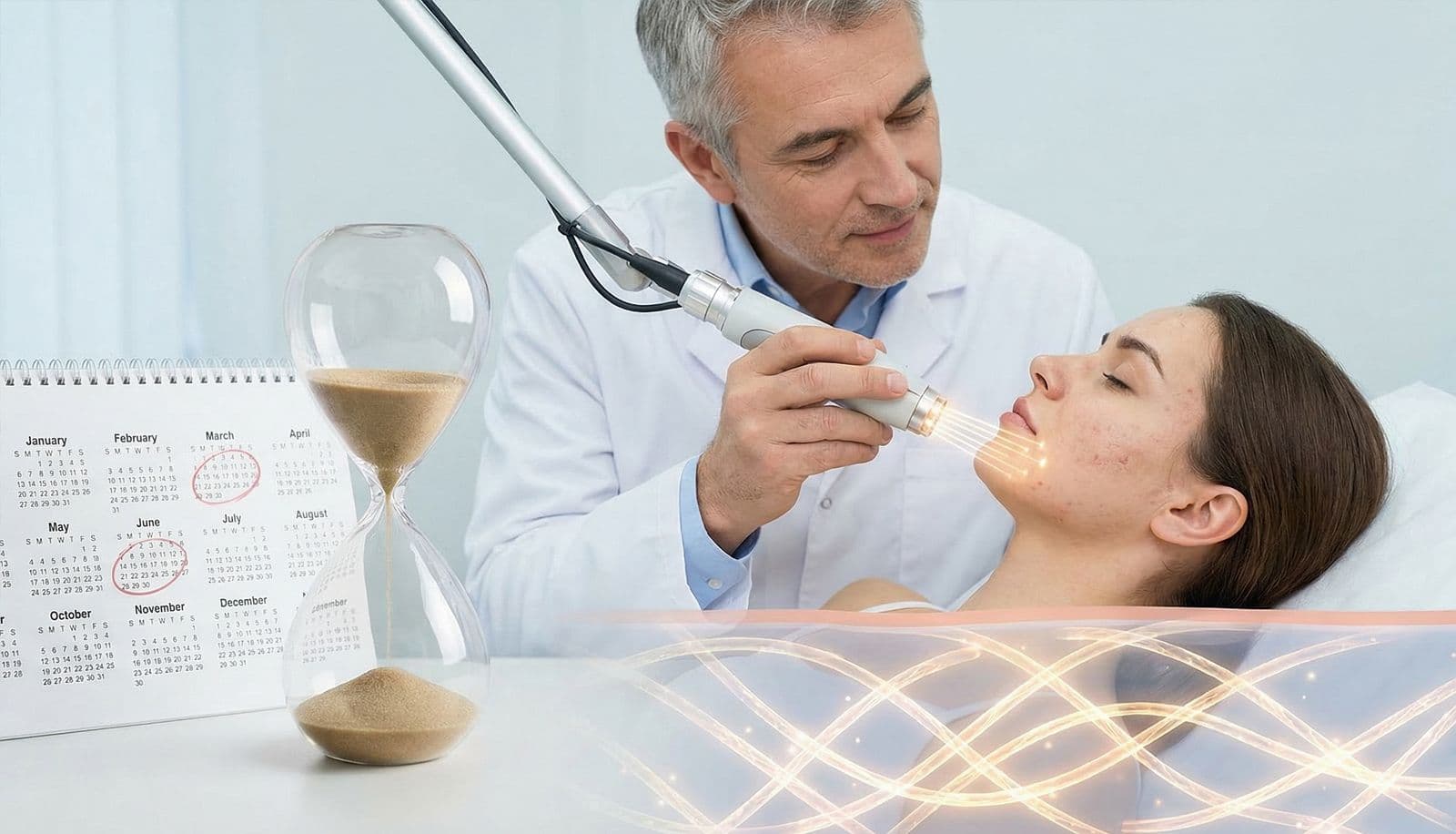
Q-Switch laser is generally preferred for the following conditions:
- Sun spots
- Melasma (pregnancy mask)
- Freckles
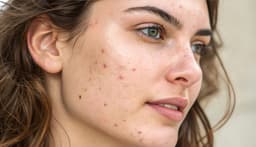
- Post-acne pigmentation
- Age spots
However, not every pigmentation type responds the same way. Accurate analysis of the pigmentation type and a personalized treatment plan are essential for effective results.
How Does Q-Switch Laser Work?
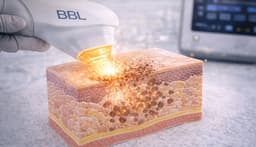
Q-Switch laser works by delivering high-energy, short-duration light pulses to the skin. During these pulses, laser energy selectively targets pigments in the skin and supports their breakdown. This mechanism is based on the principle of pigment targeting.
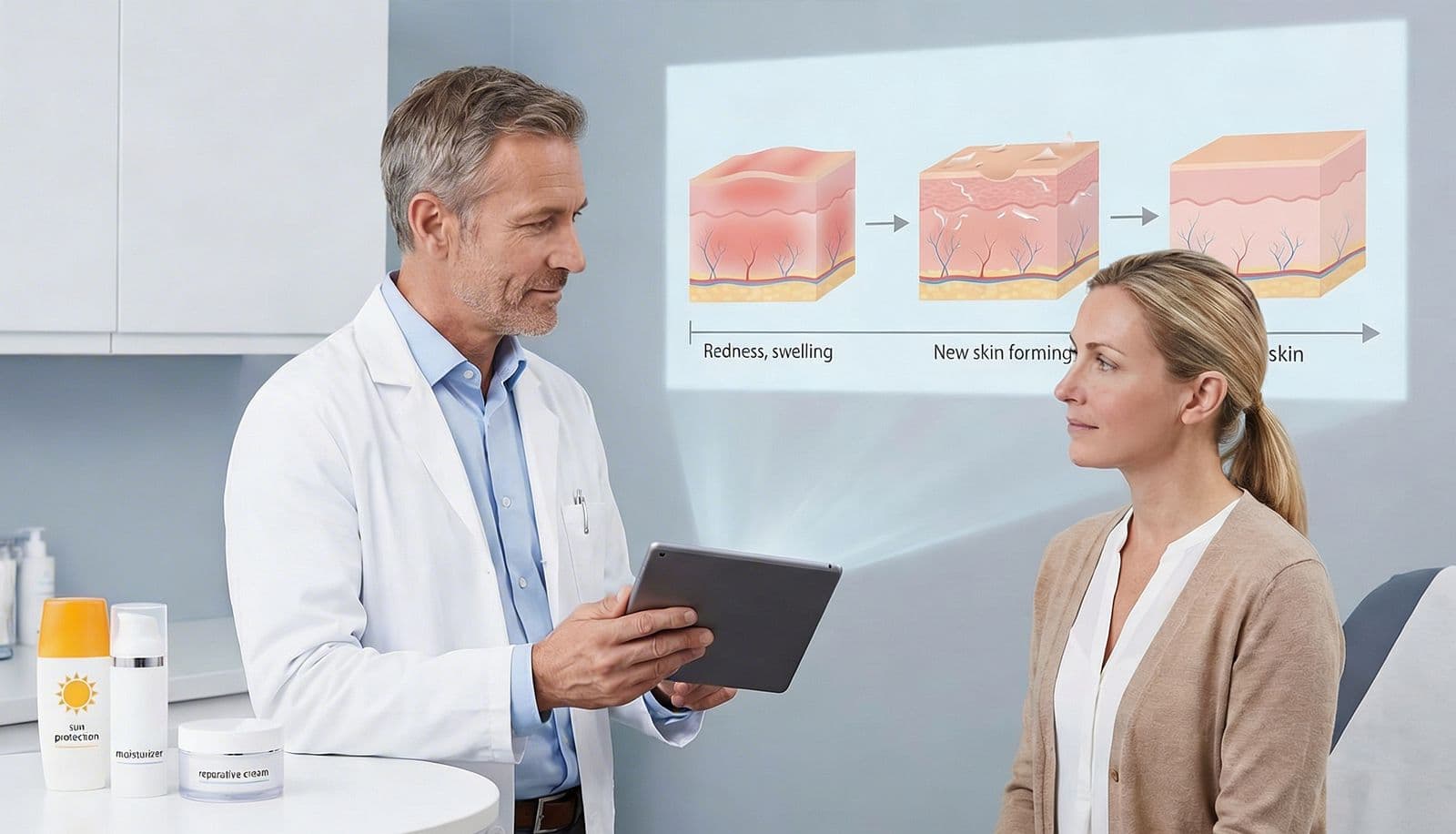
The laser energy concentrates in areas with high melanin density and breaks pigments into smaller particles. These fragmented pigments are gradually eliminated by the body. Therefore, Q-Switch laser is considered one of the effective melanin-targeted technologies used in pigmentation treatments.
What is the Difference Between Q-Switch Laser and Fractional Laser?
Q-Switch laser and fractional laser are two different laser technologies used in the treatment of pigmentation issues and skin quality concerns. Although both methods use laser energy, they differ in their mechanisms of action and the skin concerns they target. Therefore, the preferred laser method is determined based on the type of pigmentation, skin structure, and treatment goals.
As seen in this comparison, Q-Switch laser mainly focuses on pigments, while fractional laser aims to renew skin texture. Therefore, each method is preferred for different skin concerns, and in some cases, combination treatments may be planned.
How Many Sessions Are Required for Q-Switch Laser?
The number of sessions in Q-Switch laser treatment may vary depending on the type of pigmentation and the individual’s skin structure. The same number of sessions is not applied to every patient, and the treatment process is planned individually.
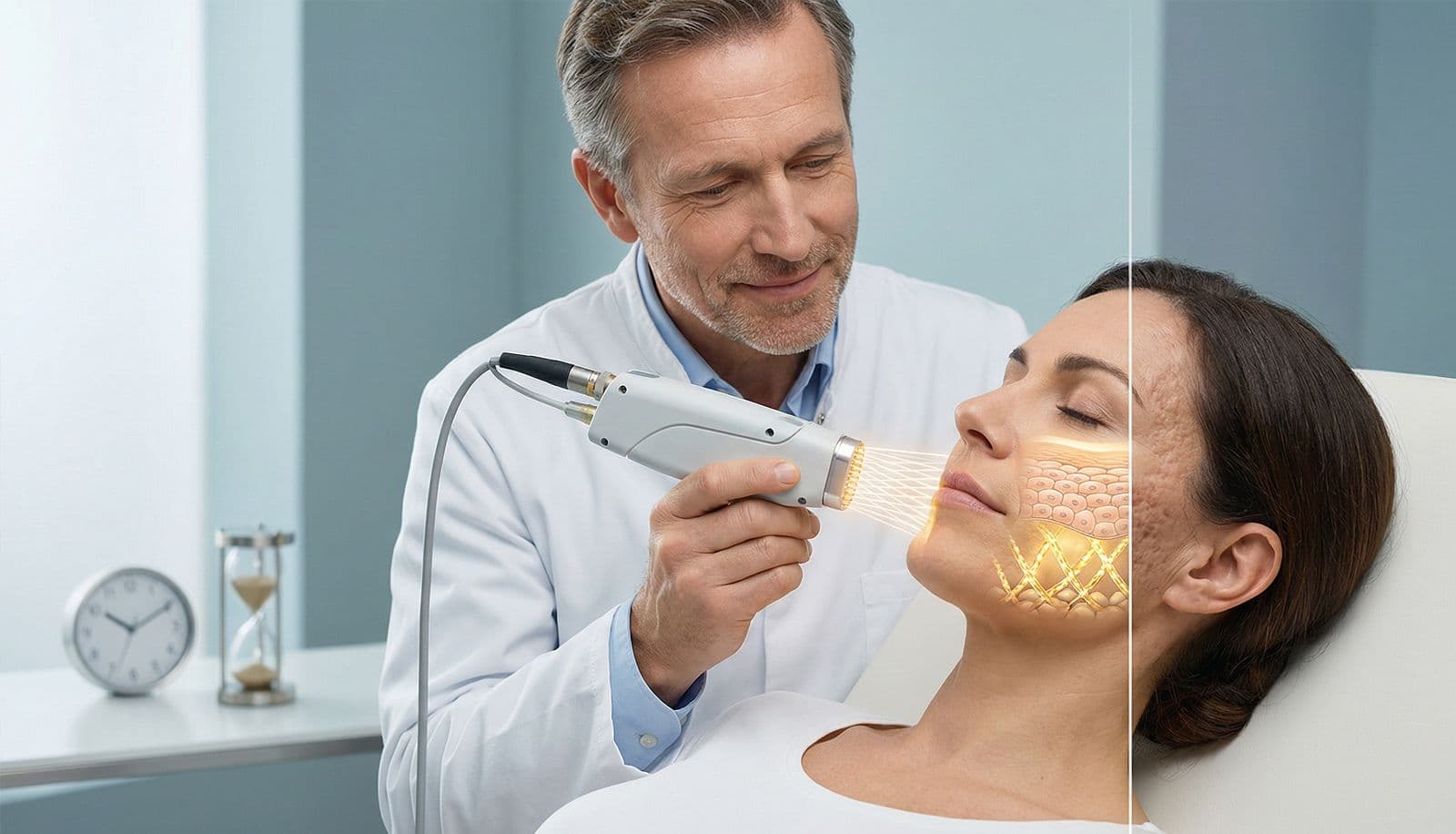
Key factors affecting the number of sessions include:
- Depth of pigmentation
- Extent of pigmentation
- Skin type
- Response to treatment
Therefore, some pigmentation issues may improve in a shorter time, while others may require a longer treatment process.
What is the Recovery Process After Q-Switch Laser?
After Q-Switch laser treatment, mild redness, sensitivity, or temporary darkening may occur. These effects are usually short-term and decrease as the skin regenerates.

Things to consider during the recovery process:
- Sun protection
- Use of sunscreen
- Avoiding irritating procedures
Proper post-treatment care is an important factor in supporting the effectiveness of the procedure.
Comparison of Q-Switch Laser and Other Pigmentation Treatments
Pigmentation treatment methods work through different mechanisms depending on the type of pigmentation and skin structure. Some methods directly target pigments, while others support skin renewal and provide indirect effects. Therefore, the most suitable treatment should be determined through proper analysis and personalized planning.
This table shows that pigmentation treatment methods have different working principles. While Q-Switch laser stands out for high-density and prominent pigmentation, other methods may be preferred for superficial or texture-related concerns. Therefore, the treatment plan should be determined after a detailed skin analysis.
Is Q-Switch Laser Permanent?
The results obtained from Q-Switch laser treatment may vary depending on the type of pigmentation and the individual’s skin structure. While noticeable improvement can be achieved, maintaining the results depends on certain external factors.
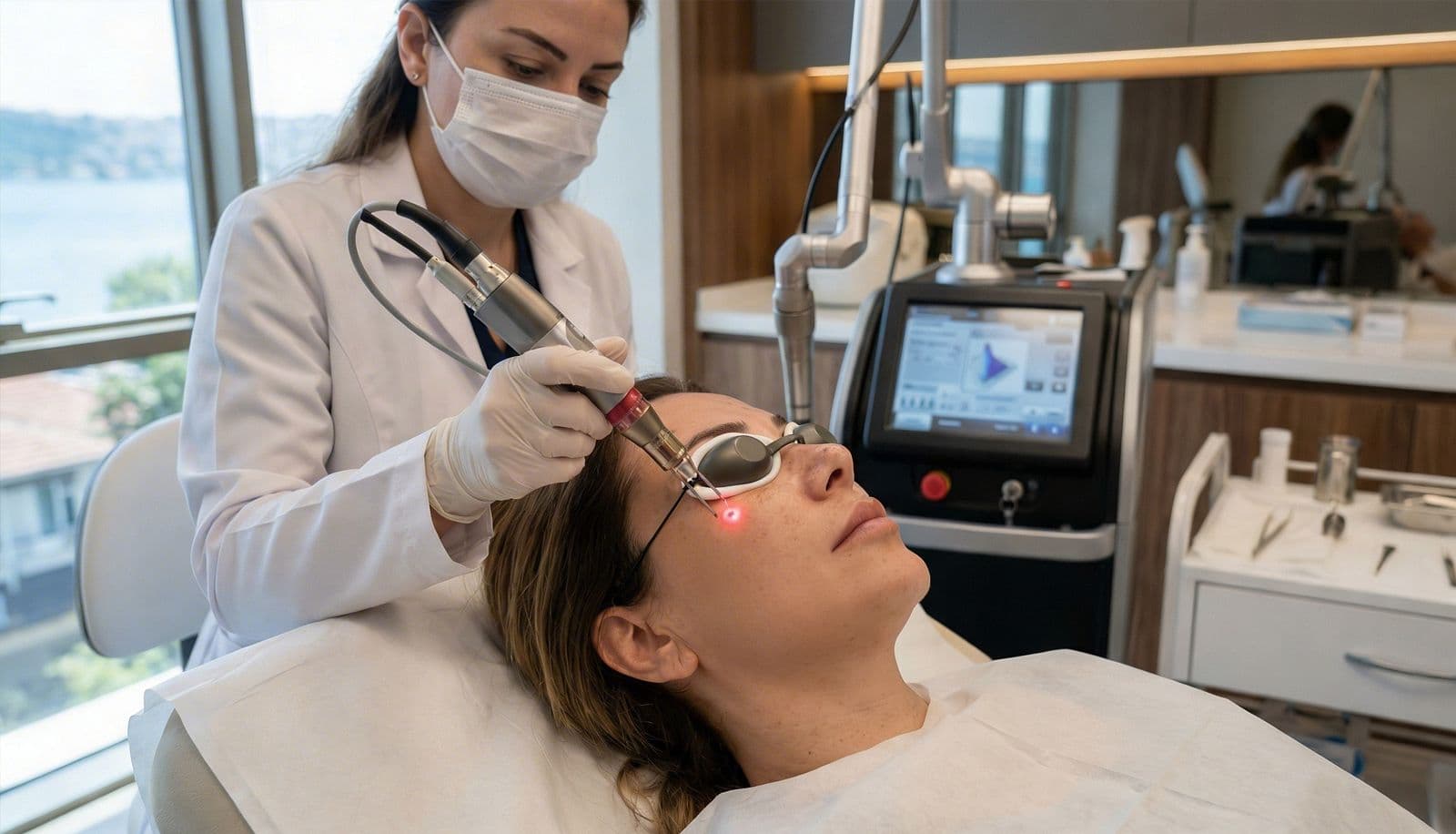
Factors affecting the longevity of results:
- Sun exposure
- Hormonal changes
- Skin care habits
Therefore, proper skin care and consistent sun protection are essential after treatment.
Q-Switch Laser Prices 2026 – How Much Does It Cost?
Q-Switch laser prices in 2026 may vary depending on the treatment area, the extent of pigmentation, and the number of sessions planned. Therefore, instead of providing a standard price, a personalized evaluation is a more accurate approach.
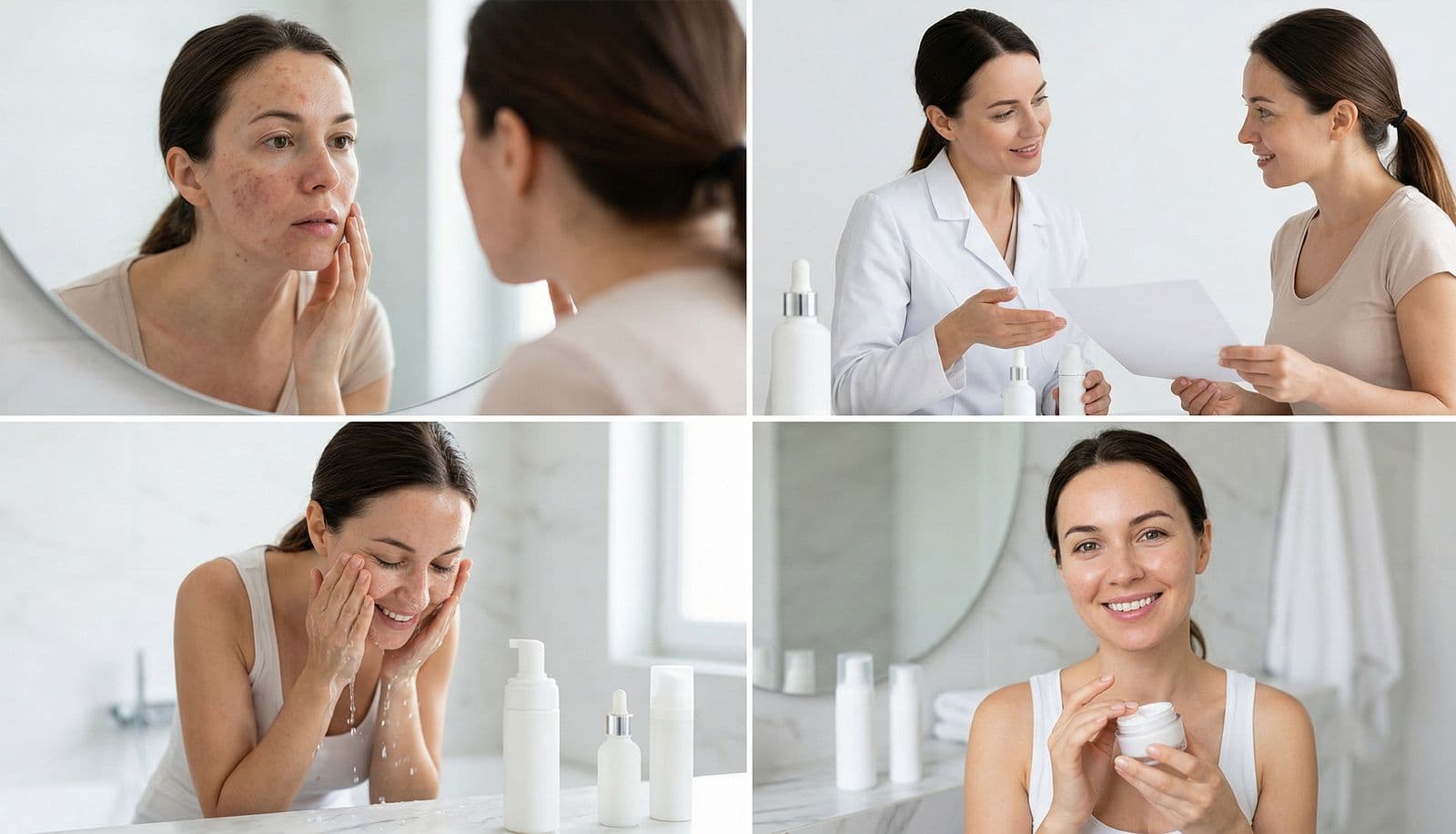
Main factors affecting pricing:
- Treatment area
- Number of sessions
- Pigmentation density
- Need for additional treatments
Accordingly, the most accurate price is determined after a detailed skin analysis and a personalized treatment plan.
Learn More About ABORTION
Feel Free To Consult Our Doctor
Our experienced team is currently online to answer all your questions.
Frequently Asked Questions About Laser Spot Treatment
Laser spot treatment is one of the modern dermatological methods used to reduce pigmentation problems in the skin. In this treatment, laser energy targets melanin pigment to reduce the appearance of spots. Below you can find the most frequently asked questions about laser spot treatment.
Laser spot treatment is a dermatological procedure that uses laser energy targeting melanin pigment in the skin. It aims to lighten spots and create a more even skin tone.
Laser treatment works by delivering light energy that is absorbed by melanin pigment. This energy helps break down pigment, gradually reducing the appearance of dark spots.
Laser spot treatment is commonly used for sun spots, age spots, and certain pigmentation problems. The type and depth of the spot are important factors in determining the treatment plan.
Laser spot treatment is usually performed in several sessions depending on the type of spot and the skin structure. The number and intervals of sessions are determined after dermatological evaluation.
Laser spot treatment is generally performed with a mild stinging or warming sensation. In some cases, anesthetic creams may be used to increase comfort during the procedure.
Laser spot treatment can provide long-lasting results with proper patient selection and consistent sun protection. However, spots may reappear if pigmentation triggers continue.
After laser treatment, the skin should be protected from the sun and high-SPF sunscreen should be used. Following the recommended skincare protocol may also improve treatment success.
Laser spot treatment should be carefully planned during periods of intense sun exposure. Proper sun protection after the procedure is important for maintaining treatment results.
More Content


Learn More About ABORTION
Feel Free To Consult Our Doctor
Our experienced team is currently online to answer all your questions.