Chemical Peeling For Acne Scar Treatment
Private Dr. Arslan Polyclinic
Chemical Peeling for Acne Scar Treatment
Chemical peeling for acne scar treatment is an effective dermatological procedure that initiates skin renewal by controlled exfoliation of the skin surface. It is especially preferred for superficial and moderately deep acne scars to help even out skin tone and reduce the appearance of mild depressions. With the help of chemical solutions, the epidermis and, when necessary, the upper layers of the dermis are renewed in a controlled manner, resulting in a smoother and more vibrant skin appearance.
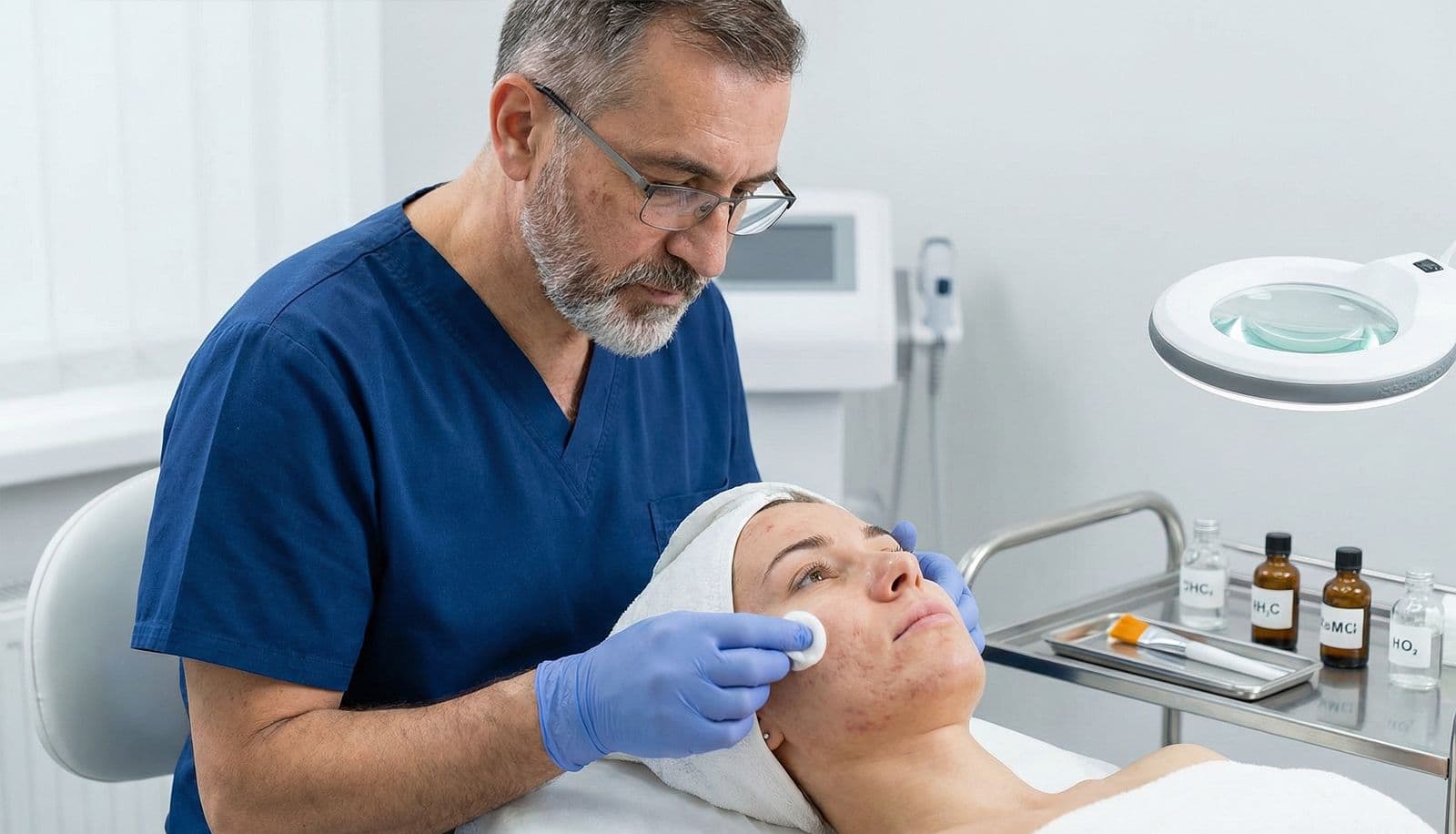
In acne scar treatment, chemical peeling can be applied alone or combined with treatments such as fractional laser, golden needle radiofrequency, or subcision. Peeling is not only a superficial exfoliation procedure; it also creates a stimulation mechanism that supports collagen production. Choosing the correct acid type and planning the appropriate depth are among the most important factors determining the success of the treatment.
QUICK MENU
In the following sections of this page, you can find the topics listed below. Simply tap on any heading to quickly access the relevant section.
- How Does Chemical Peeling Affect Acne Scars?
- Which Types Of Acne Scars Respond Well To Chemical Peeling?
- For Which Acne Scars Can Chemical Peeling Be Effective?
- How Many Sessions Are Required For Chemical Peeling?
- Which Chemical Peeling Types Are Used In Acne Scar Treatment?
- What Is The Recovery Process After Chemical Peeling?
What You Should Know About Acne Scar Treatments
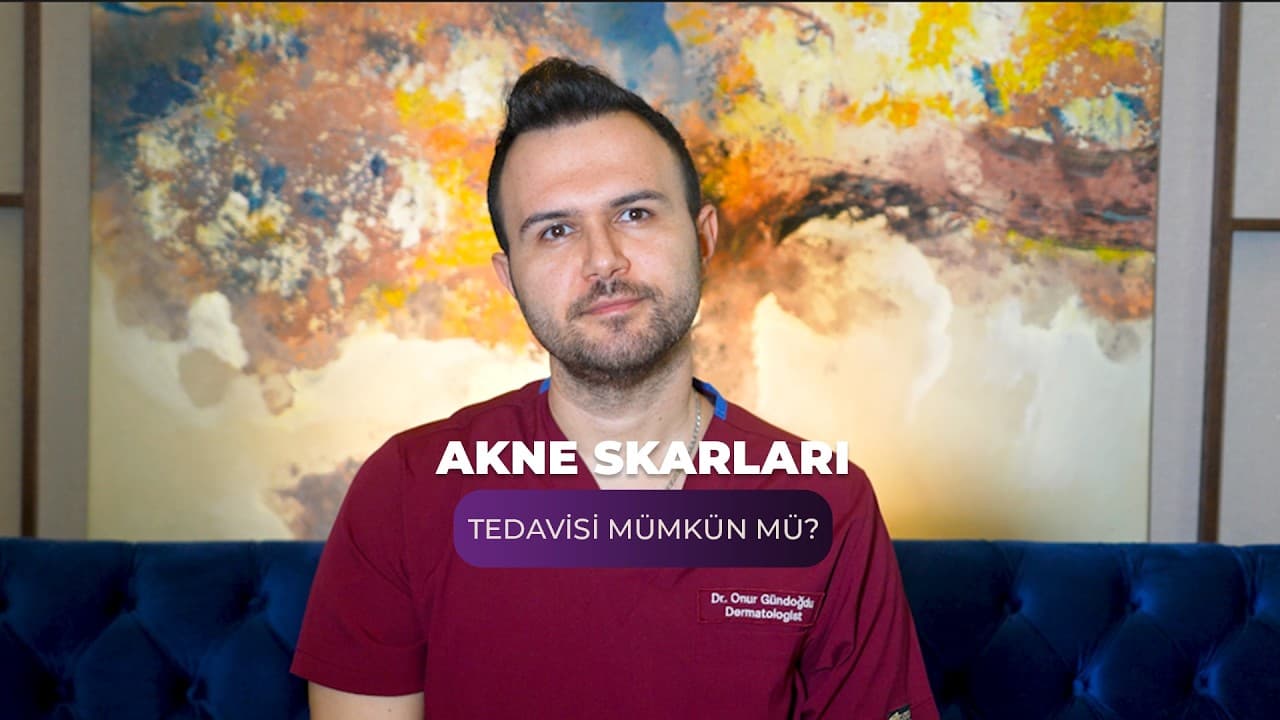
Acne scars are permanent tissue changes and depressions that occur on the skin after acne. Different dermatological methods aimed at renewing the skin and stimulating collagen production can be used in the treatment of these scars. In the video below, you can find general information about the methods used in acne scar treatment and in which situations they may be preferred.
Acne Scar Treatments Explained in the Video
- Fractional laser
- Gold needle radiofrequency
- Subcision
- Chemical peeling
- PRP and regenerative treatments
Learn More About ABORTION
Feel Free To Consult Our Doctor


Our experienced team is currently online to answer all your questions.
Let us call you
Send us your phone number now to get more information.
How does chemical peeling affect acne scars?
Chemical peeling accelerates cell renewal by creating controlled damage on the skin surface. During this process, damaged cells in the upper layer are removed and healthier skin tissue emerges from underneath. Noticeable improvement can be achieved in superficial acne scars and skin tone irregularities.
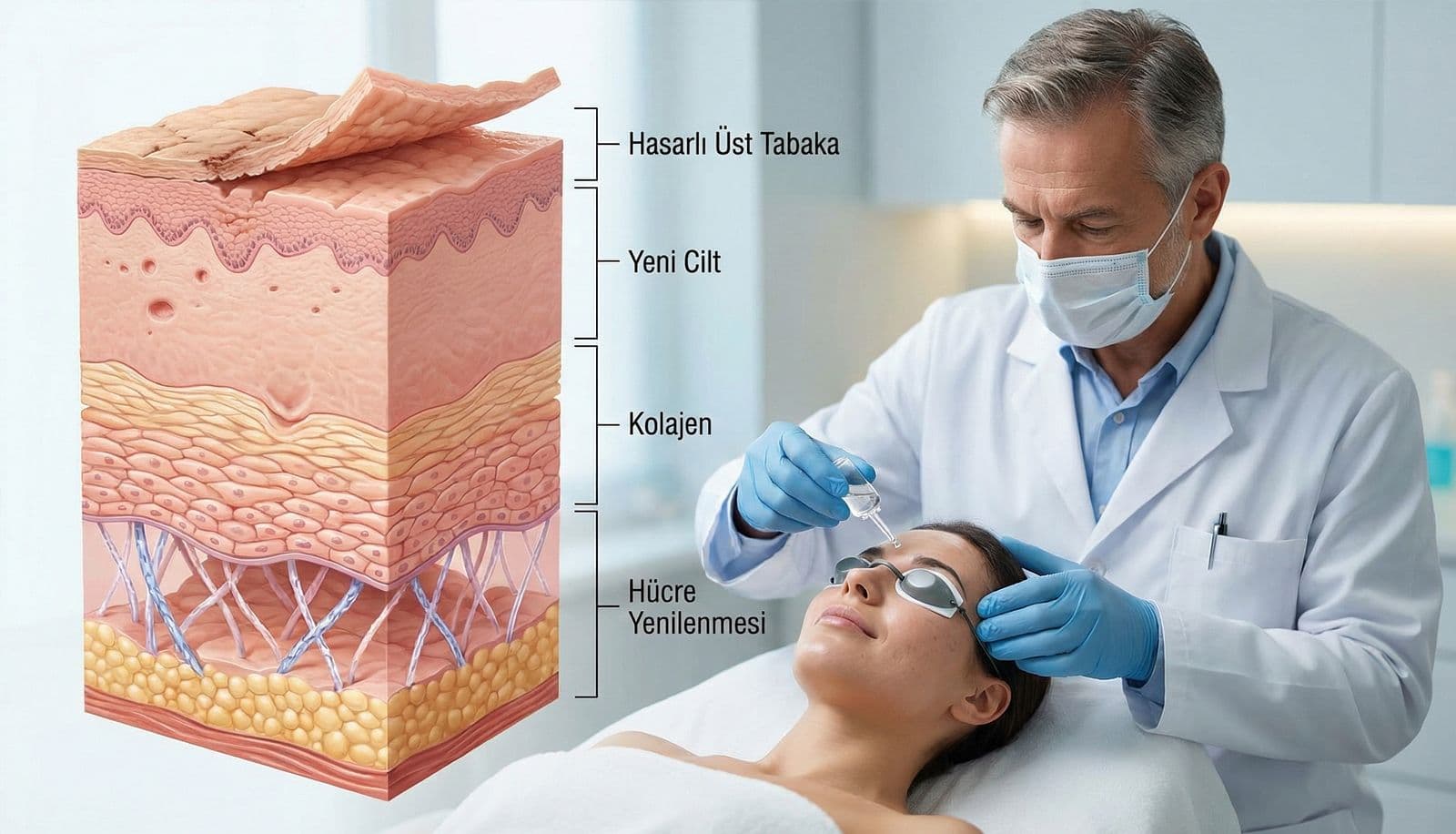
Medium-depth peeling applications can also stimulate collagen production and help reduce the appearance of mild depressed acne scars. However, in deeper and more pronounced scars, peeling alone may not be sufficient. Therefore, chemical peeling is often planned as part of combined acne scar treatment protocols.
Which types of acne scars respond well to chemical peeling?
Chemical peeling is particularly effective for superficial acne scars, mild boxcar-type scars, and post-acne pigmentation marks. In cases of post-inflammatory hyperpigmentation, skin tone can become more balanced.
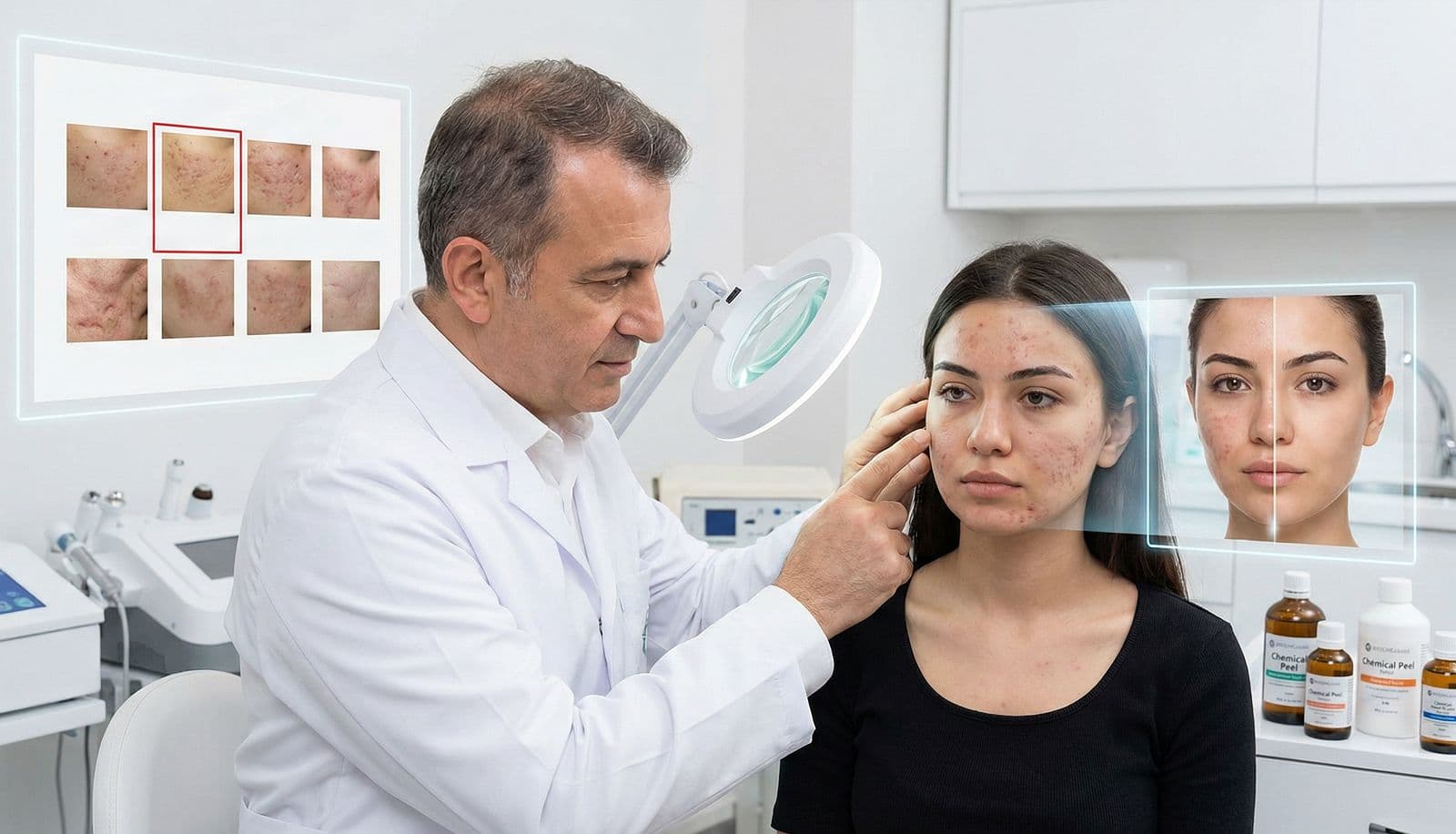
However, for deep ice pick or pronounced rolling scars, peeling alone may not provide sufficient results. In such cases, it may need to be supported by treatments that target deeper skin layers. For this reason, the decision to apply chemical peeling in acne scar treatment should be made after a detailed skin analysis.
For Which Acne Scars Can Chemical Peeling Be Effective?
Chemical peeling is one of the dermatological procedures that renew the skin surface in a controlled manner. This method is especially preferred for superficial acne scars and pigmentation problems. However, it may not be equally effective for every acne scar type. The table below summarizes different acne scar types and the effectiveness of chemical peeling.
In summary, chemical peeling can be an effective method particularly for superficial acne scars and pigmentation issues. For deeper acne scars, combined treatment approaches are often preferred.
How many sessions are required for chemical peeling?
Chemical peeling for acne scar treatment is generally planned between 3–6 sessions. The interval between sessions depends on the type and depth of the acid used but is usually performed every 2–4 weeks. Gradual application allows the skin to renew in a controlled manner.
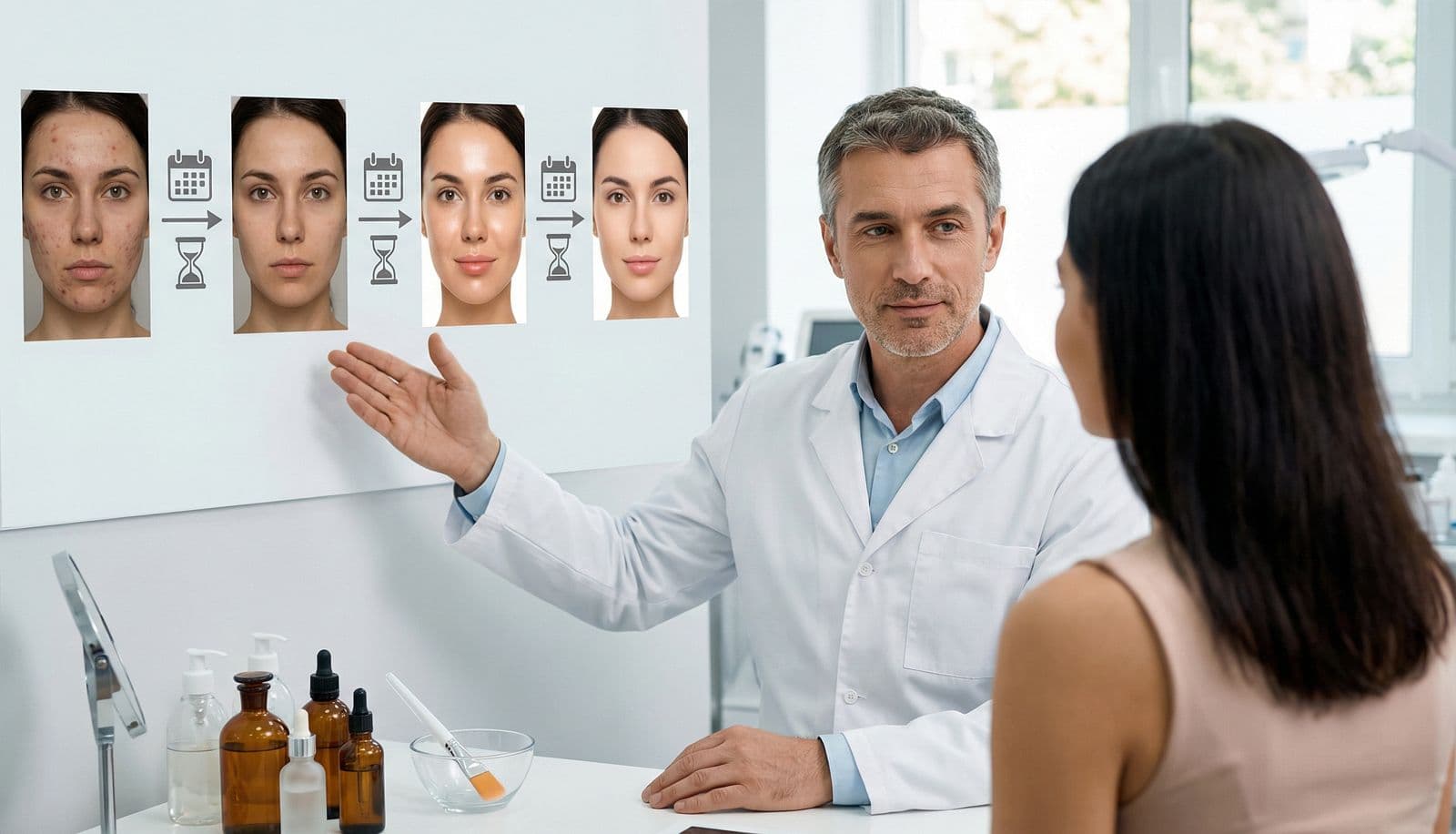
After the first session, the skin may appear brighter and more vibrant; however, noticeable improvement in scar appearance usually becomes visible after several sessions. Being patient and continuing treatment regularly increases the success rate.
Which chemical peeling types are used in acne scar treatment?
Chemical peeling treatments used for acne scars help the skin surface renew in a controlled manner, which may contribute to a smoother skin texture. Different chemical peeling types can be preferred depending on the skin structure and characteristics of the acne scars.
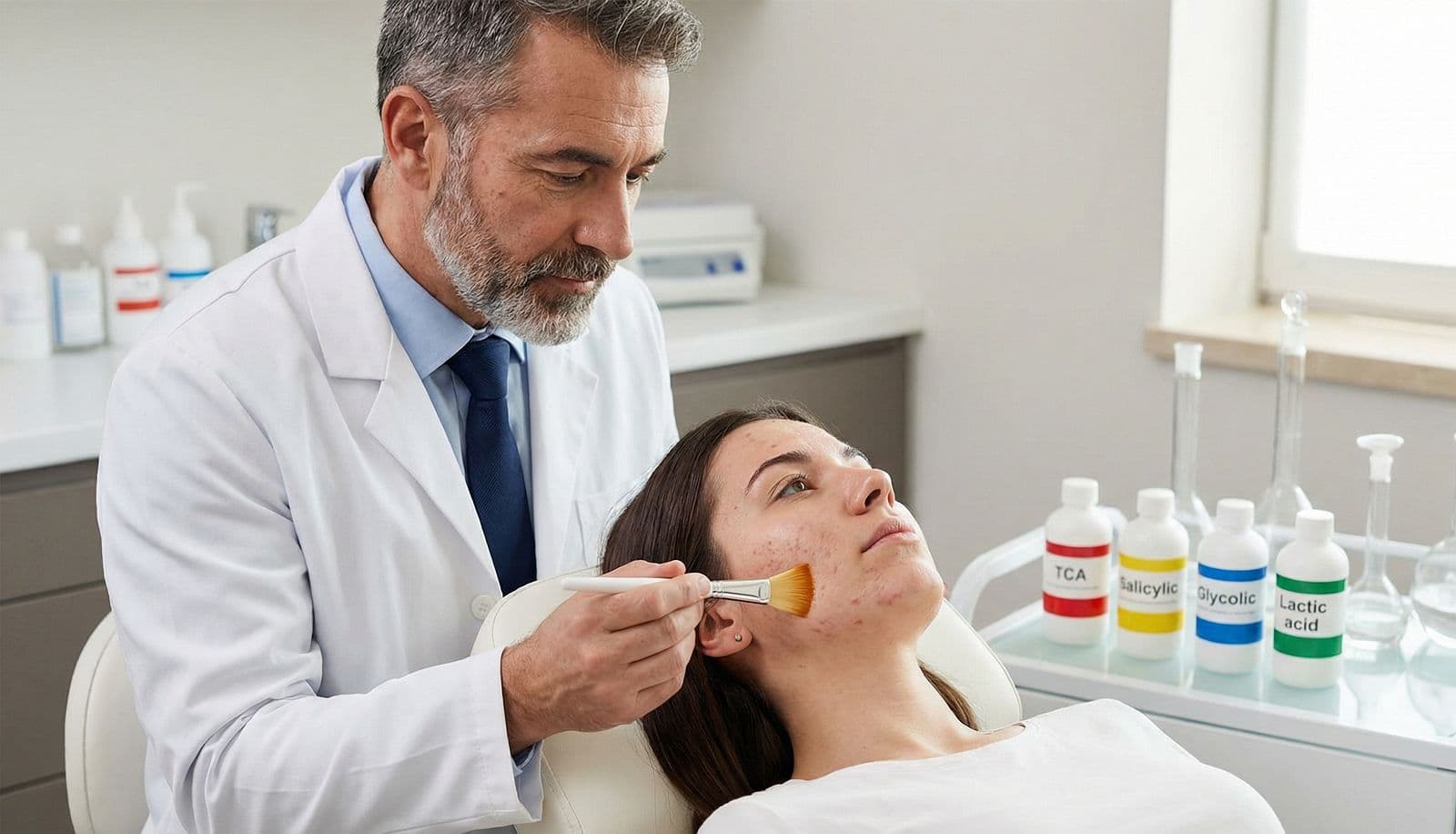
Chemical peeling types used for acne scars include:
- TCA peeling
- Salicylic acid peeling
- Glycolic acid peeling
- Lactic acid peeling
Each type of chemical peeling works through different mechanisms on the skin. Therefore, the appropriate peeling method should be determined based on skin type, scar depth, and dermatological evaluation. Properly selected peeling applications can support skin renewal and help reduce the appearance of acne scars.
What is the recovery process after chemical peeling?
After superficial peeling, mild redness and fine peeling are usually observed. This condition typically improves within a few days. In medium-depth peelings, the peeling process may be more noticeable and can last approximately 5–7 days.
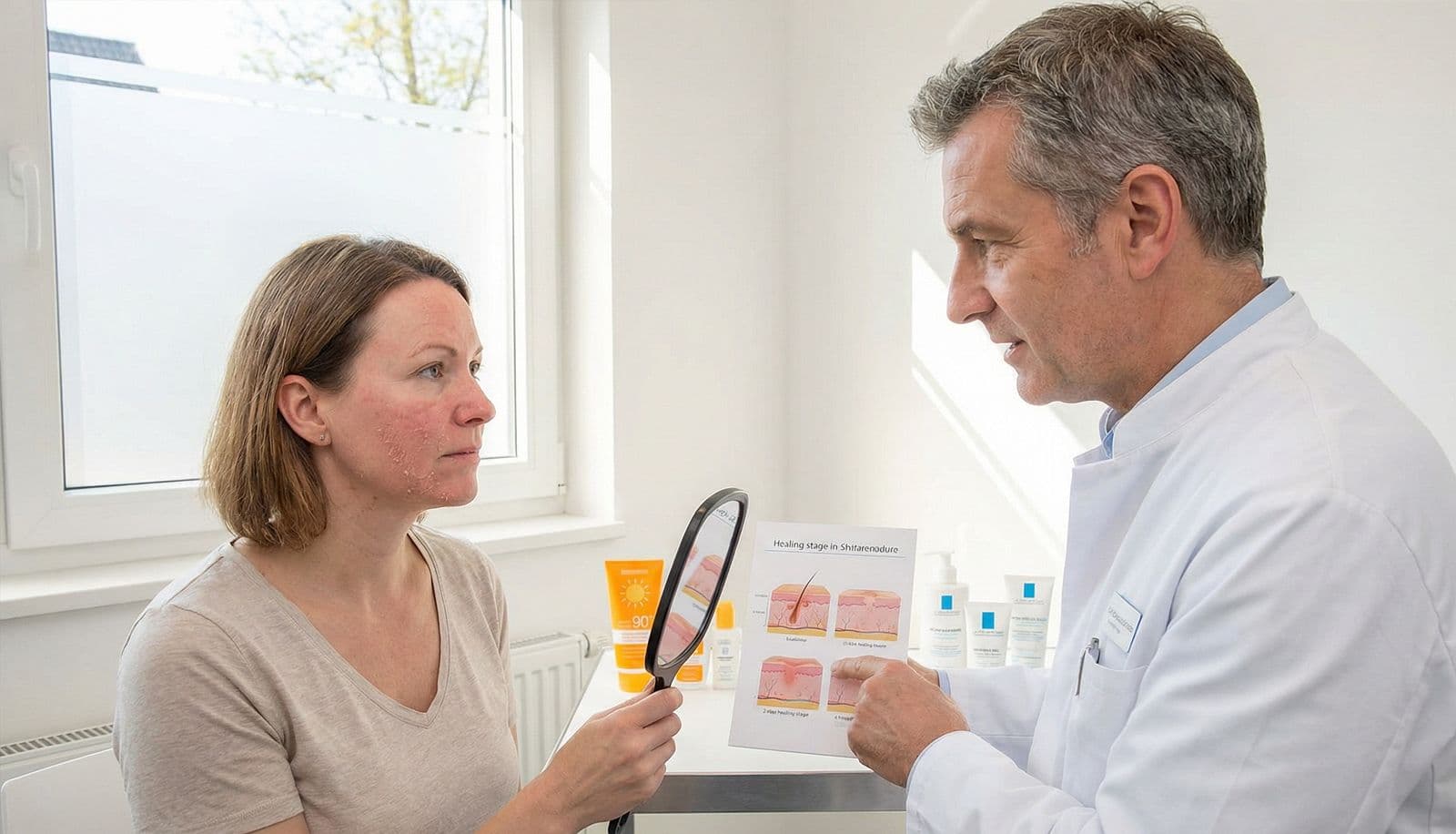
After the procedure, sun protection, using high-factor sunscreen, and avoiding products that may irritate the skin are extremely important. With proper aftercare, chemical peeling can improve skin quality and serve as a safe and effective supportive method in acne scar treatment.
Learn More About ABORTION
Feel Free To Consult Our Doctor
Our experienced team is currently online to answer all your questions.
Frequently Asked Questions About Acne Scar Treatment with Chemical Peeling
Chemical peeling is one of the dermatological procedures that renew the skin surface in a controlled manner. In this method, special solutions are used to renew the upper layer of the skin and reduce the appearance of acne scars. Below you can find the most frequently asked questions about acne scar treatment with chemical peeling.
Chemical peeling works by renewing the upper layer of the skin in a controlled manner. This process may support skin regeneration and help reduce the appearance of superficial acne scars.
Chemical peeling is generally preferred for superficial acne scars and pigmentation problems. For deeper acne scars, it may be combined with other dermatological treatments.
Chemical peeling treatment is usually planned in several sessions depending on the skin structure and the condition of acne scars. The number and intervals of sessions are determined after dermatological evaluation.
After chemical peeling, mild redness and peeling may occur on the skin. This is part of the skin’s renewal process and usually subsides within a few days.
Chemical peeling aims to reduce the appearance of acne scars. However, it may not always be possible to completely eliminate scars, and results may vary depending on the type of scar.
Chemical peeling is generally performed with a mild burning or stinging sensation. The level of discomfort may vary depending on the type of peeling applied.
After chemical peeling, protecting the skin from the sun and using recommended skincare products is important. This process may help support skin healing.
Chemical peeling may be combined with other dermatological treatments such as laser, microneedling, or additional therapies in some cases. This approach may help achieve more effective results for certain acne scars.
More Content

Learn More About ABORTION
Feel Free To Consult Our Doctor
Our experienced team is currently online to answer all your questions.