Subcision For Acne Scar Treatment
Private Dr. Arslan Polyclinic
Subcision for Acne Scar Treatment
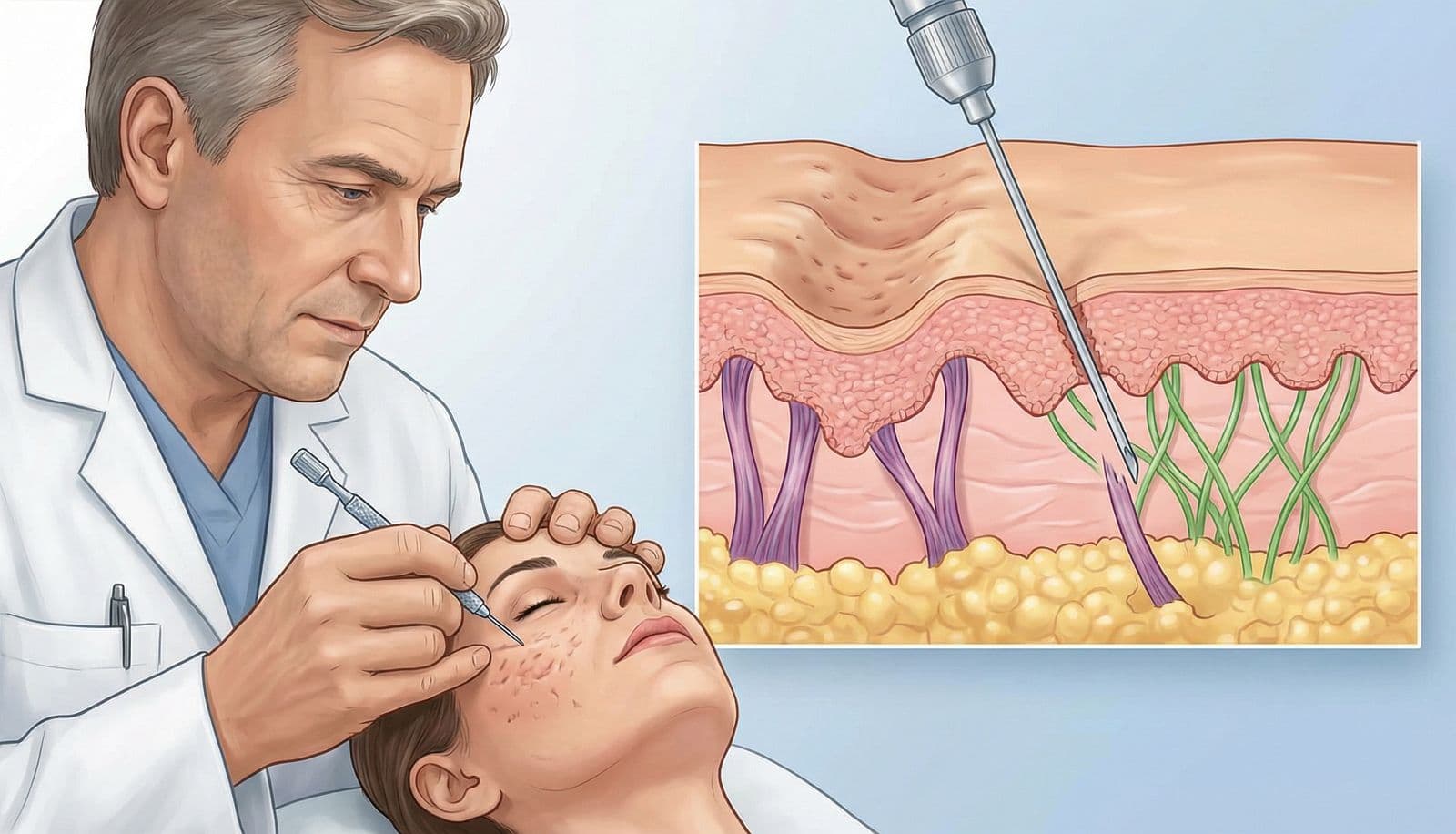
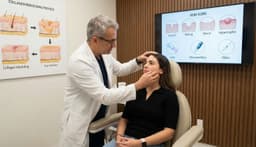
Subcision for acne scar treatment is a surgical-based dermatological procedure that is particularly effective for rolling-type acne scars. The aim of this method is to release the fibrotic bands that pull the skin surface downward, thereby reducing the depressed appearance. When an acne scar forms, connective tissue bands beneath the skin anchor the surface downward, creating a wavy and uneven appearance. The subcision procedure cuts these bands in a controlled manner, allowing the skin to lift upward and regain a smoother contour.
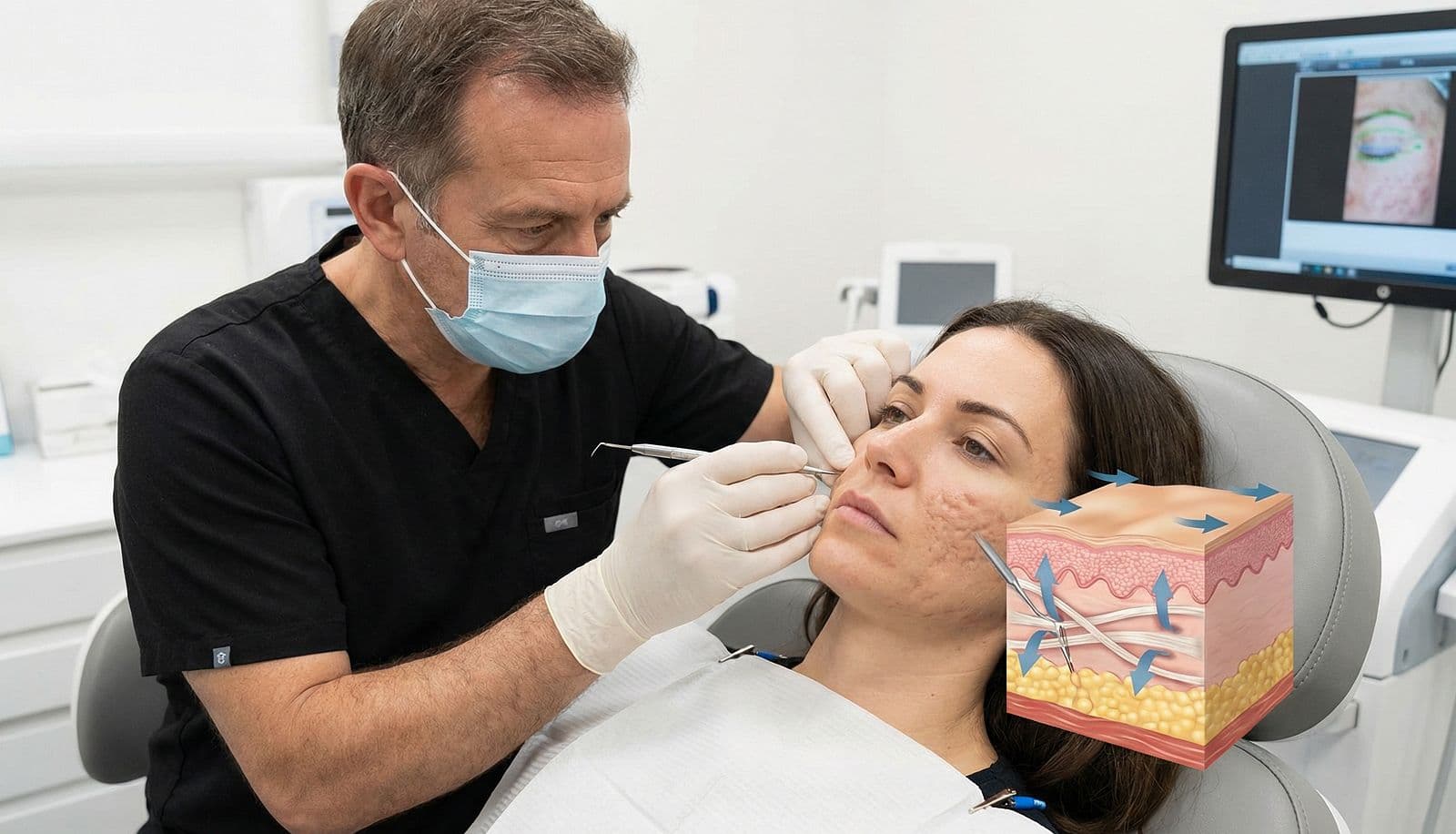
In acne scar treatment, some scars do not respond sufficiently to laser or radiofrequency treatments alone because the problem lies not on the surface but in the mechanical tension beneath the skin. Subcision directly targets this structural issue, making it an important treatment option especially for rolling scars. It is often combined with collagen-stimulating methods such as fractional laser or golden needle radiofrequency to achieve more balanced and long-lasting results.
QUICK MENU
In the following sections of this page, you can find the topics listed below. Simply tap on any heading to quickly access the relevant section.
- Which Acne Scar Types Respond Best To Subcision?
- For Which Acne Scar Types Is Subcision Used?
- How Is The Subcision Procedure Performed?
- When Is Subcision Preferred?
- What Is The Recovery Process After Subcision?
- Is Subcision Treatment Permanent?
What You Should Know About Acne Scar Treatments
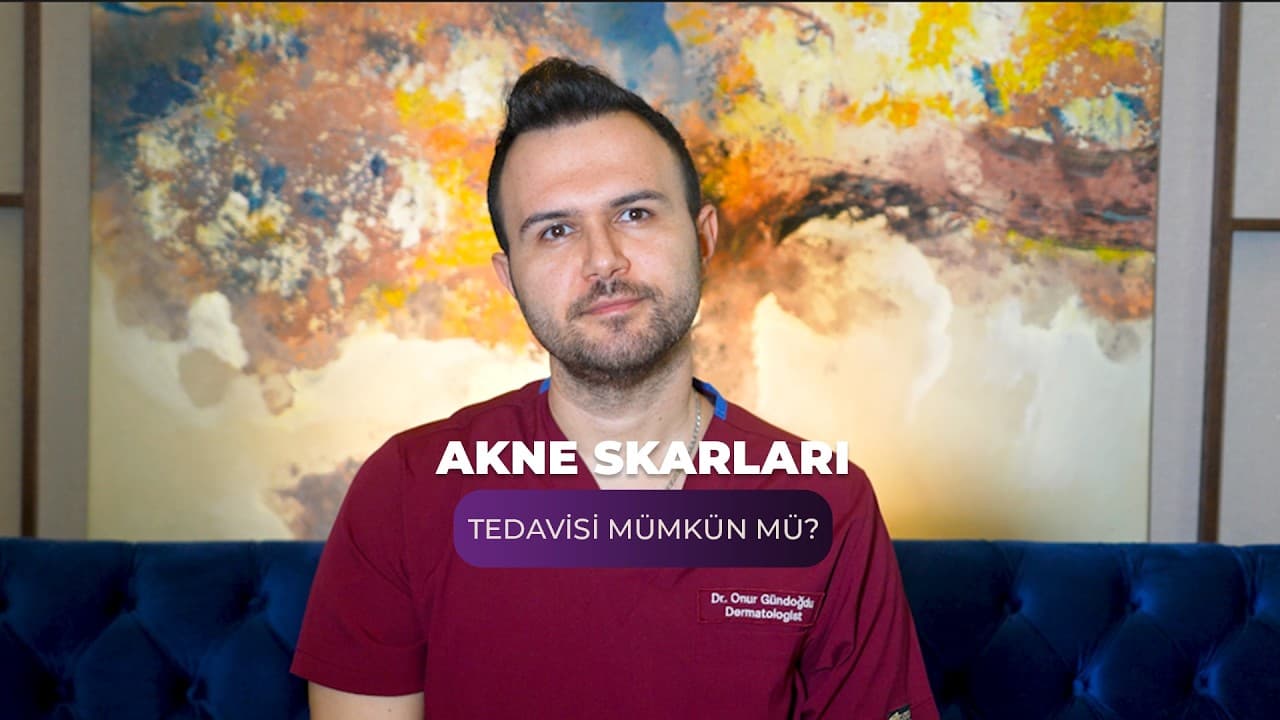
Acne scars are permanent tissue changes and depressions that occur on the skin after acne. Different dermatological methods aimed at renewing the skin and stimulating collagen production can be used in the treatment of these scars. In the video below, you can find general information about the methods used in acne scar treatment and in which situations they may be preferred.
Acne Scar Treatments Explained in the Video
- Fractional laser
- Gold needle radiofrequency
- Subcision
- Chemical peeling
- PRP and regenerative treatments
Learn More About ABORTION
Feel Free To Consult Our Doctor

Our experienced team is currently online to answer all your questions.
Let us call you
Send us your phone number now to get more information.
Which acne scar types respond best to subcision?
Subcision treatment is most suitable for rolling-type acne scars. Rolling scars appear as broad-based, wavy depressions on the skin surface. The main cause of these scars is the fibrotic bands beneath the skin that pull the surface downward. Subcision mechanically releases these bands and helps the skin return to a smoother position.
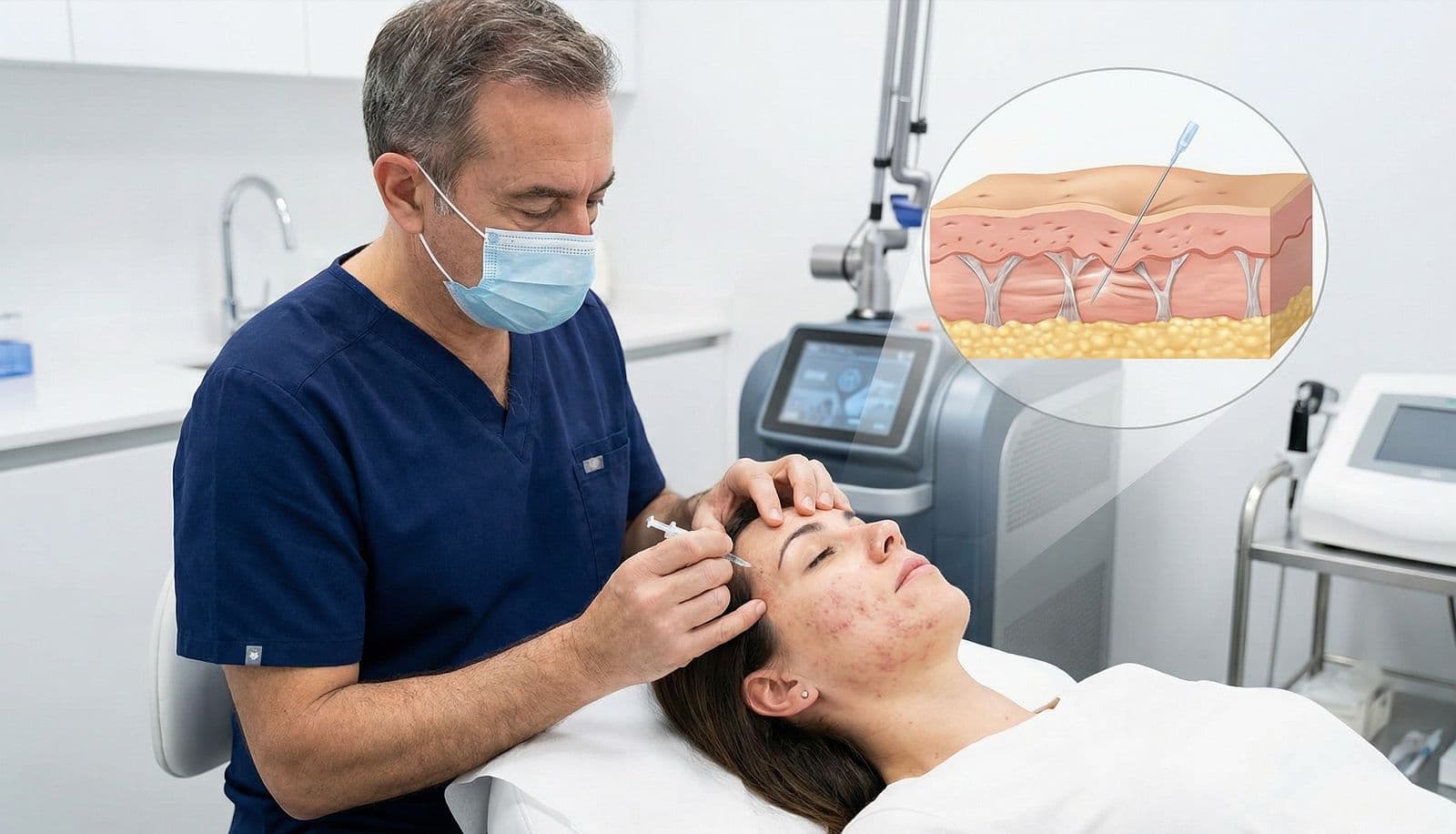
Subcision alone may not be sufficient for ice pick scars or very narrow and deep scars. In such cases, a combination of different treatment methods may be planned. Therefore, correct patient selection and accurate scar analysis are critical for successful acne scar treatment outcomes.
For Which Acne Scar Types Is Subcision Used?
Subcision treatment is particularly preferred for depressed acne scars caused by fibrotic bands beneath the skin. However, it may not be suitable for every acne scar type. The table below summarizes different acne scar types and the suitability of subcision treatment.
In summary, subcision is considered an effective treatment method particularly for rolling-type acne scars. Correct identification of the scar type plays an important role in treatment planning.
How is the subcision procedure performed?
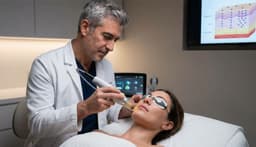
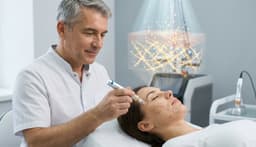
Subcision is a minimally invasive procedure performed under local anesthesia. A special fine-tipped needle or cannula is inserted beneath the skin to cut the fibrotic connective tissue bands that pull the scar downward. During this process, a small controlled bleeding area is also created in the region, which stimulates new collagen production.
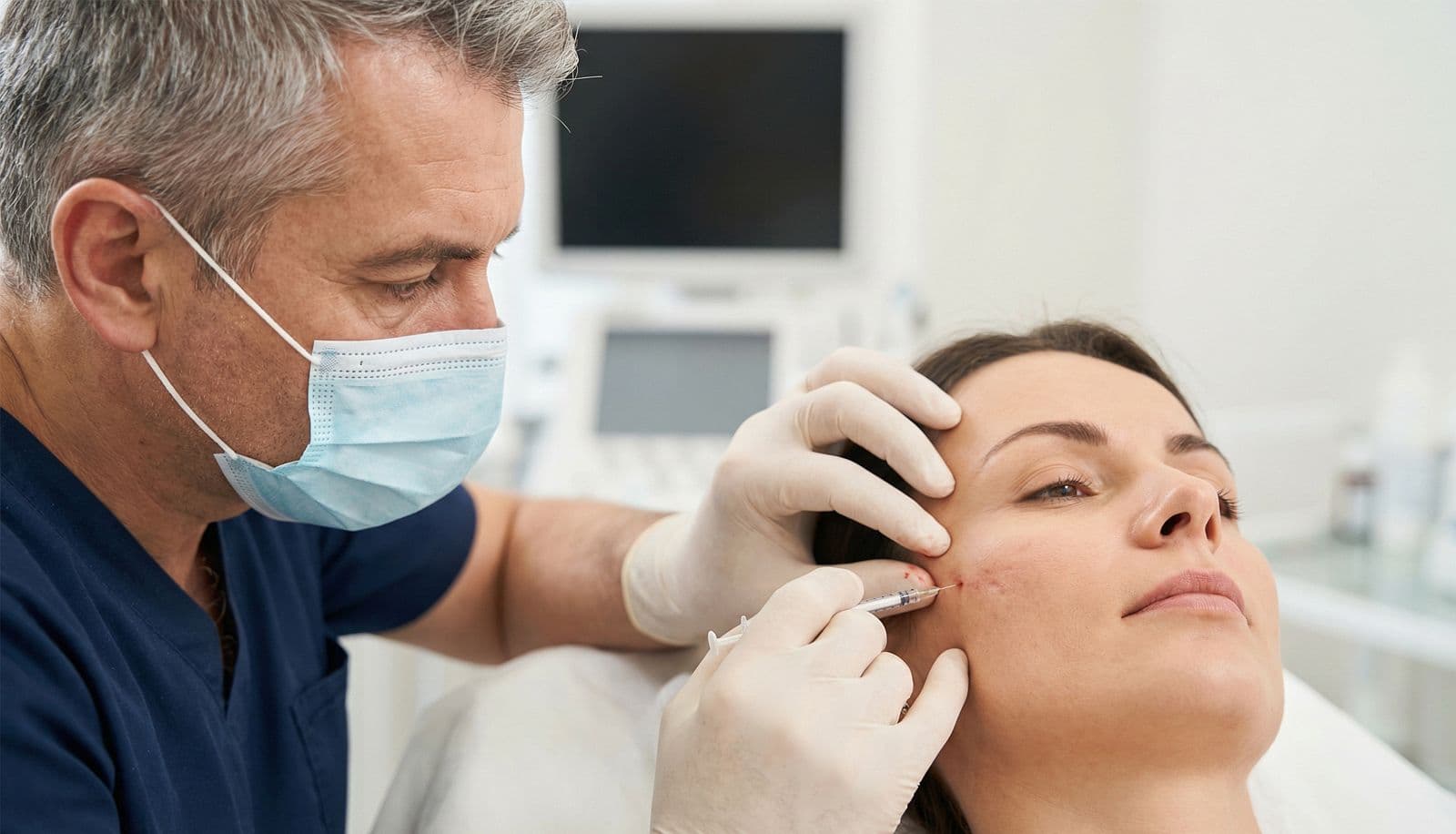
The procedure usually takes 20–40 minutes, and patients can return to their daily activities on the same day. Mild bruising and swelling may occur after the procedure, but these effects typically subside within a few days. The collagen production that follows subcision helps further improve the appearance of scars over time.
When Is Subcision Preferred?
Subcision treatment is preferred especially for depressed acne scars caused by fibrotic bands beneath the skin. These bands pull the skin surface downward and create a wavy or sunken appearance. The subcision procedure aims to release these bands and help the skin surface appear smoother.
It is most commonly preferred in the following situations:
- Rolling-type acne scars
- Depressed scars caused by fibrotic bands beneath the skin
- As part of combined acne scar treatment protocols
Subcision treatment is particularly used for rolling-type acne scars, depressed scars caused by fibrotic bands beneath the skin, and often as part of combined acne scar treatment protocols. This approach aims to release the connective tissue responsible for the depressed appearance and helps the skin surface appear more balanced.
What is the recovery process after subcision?
The most common effects after subcision are bruising and mild swelling. These effects usually decrease significantly within 5–7 days. Temporary sensitivity may occur in the treated area, but most patients can return to their social lives shortly after the procedure.
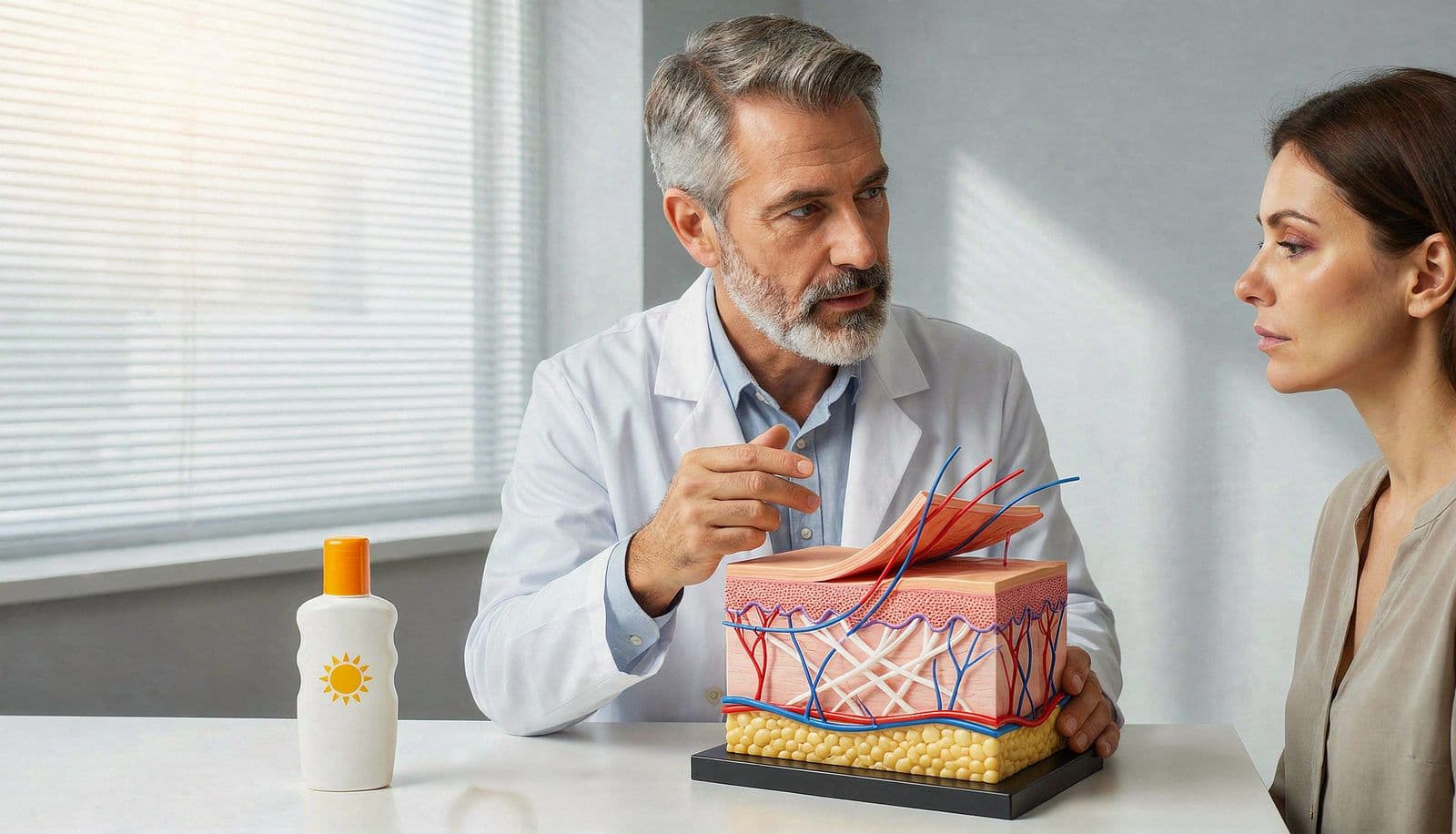
During the recovery process, sun protection and following the doctor’s care recommendations are important. Subcision not only provides mechanical release but also aims for long-term improvement through the formation of new collagen tissue during healing. Final results usually become more noticeable within a few weeks.
Is subcision treatment permanent?
The mechanical release achieved through subcision in acne scar treatment is permanent. Once the fibrotic bands are cut, they no longer pull the skin downward in the same way. In addition, the new collagen production that occurs after the procedure supports a smoother skin surface.
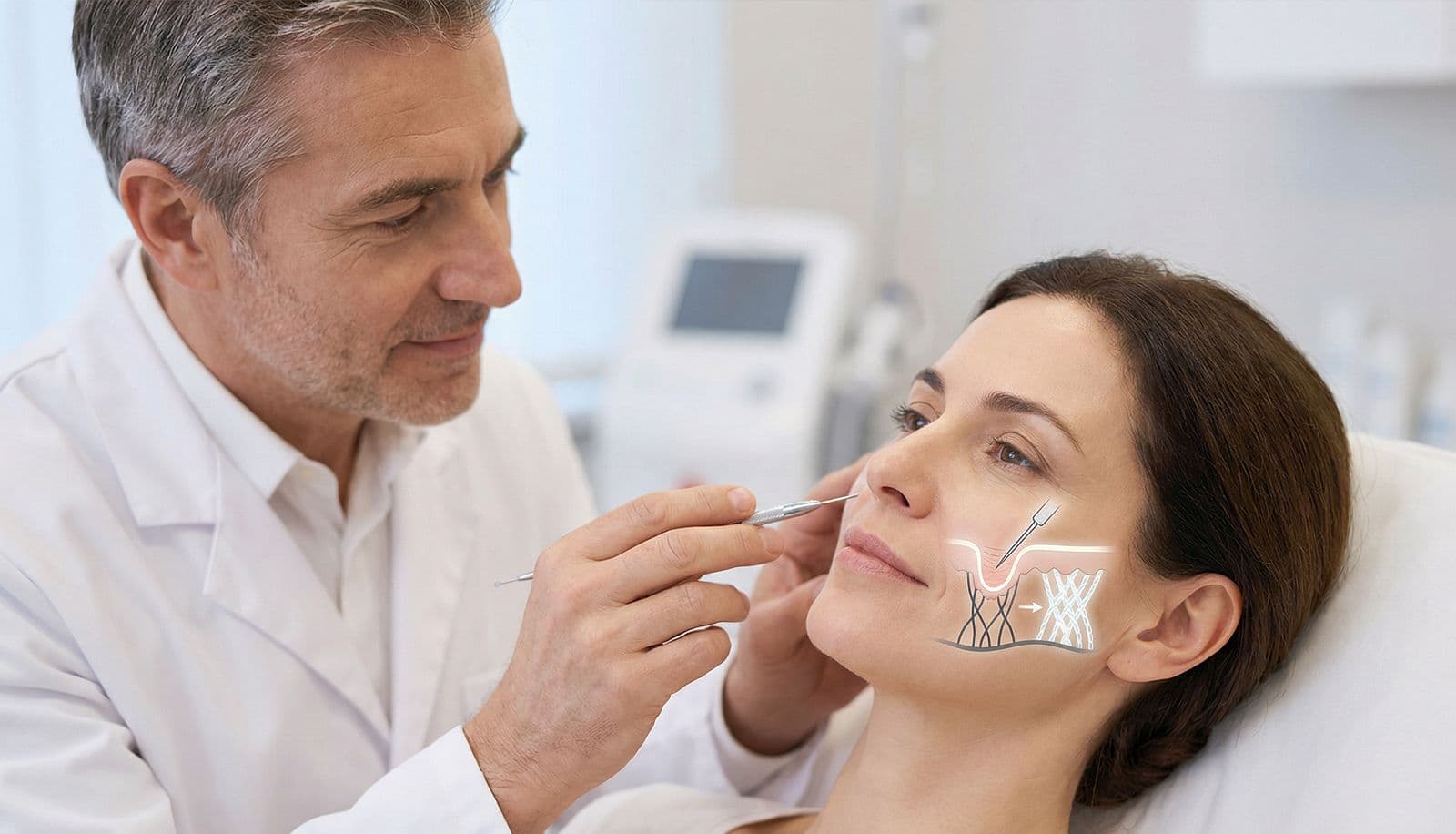
However, a single session may not be sufficient for deep and widespread acne scars. In some patients, several sessions or combined treatment planning may be required. When performed with the correct technique and proper patient selection, subcision is a powerful treatment option that can provide effective and long-lasting improvement in rolling-type acne scars.
Learn More About ABORTION
Feel Free To Consult Our Doctor
Our experienced team is currently online to answer all your questions.
Frequently Asked Questions About Acne Scar Treatment with Subcision
Subcision is one of the dermatological methods used especially in the treatment of depressed acne scars. In this procedure, fibrotic bands under the skin are released to help the skin surface appear smoother. Below you can find the most frequently asked questions about acne scar treatment with subcision.
Subcision is a dermatological procedure used in the treatment of depressed acne scars. In this method, fibrotic bands under the skin are released with a special needle to help the skin surface appear smoother.
Subcision works by cutting the fibrotic bands under the skin. When these bands are released, the depressions on the skin surface may become less noticeable.
Subcision is especially preferred for rolling-type acne scars. These scars occur due to the pulling effect of connective tissue under the skin.
Subcision treatment may be planned in several sessions depending on the condition of the acne scars. The number and intervals of sessions are determined after dermatological evaluation.
Subcision is usually performed under local anesthesia. Therefore, pain during the procedure is generally minimal.
After subcision, temporary bruising or sensitivity may occur in the treated area. This usually decreases within a short time.
Subcision treatment may reduce the appearance of depressed acne scars for a long period. However, results may vary depending on the type of scar and skin structure.
Subcision may be combined with other dermatological treatments such as fractional laser or gold needle radiofrequency in some cases. This approach may help achieve more effective results for certain acne scars.
More Content

Learn More About ABORTION
Feel Free To Consult Our Doctor
Our experienced team is currently online to answer all your questions.