What Are Acne And Acne Scars? How Do They Form?
Private Dr. Arslan Polyclinic
What Are Acne and Acne Scars? How Do They Form?
Acne is a chronic skin condition that develops due to inflammation of the hair follicles and sebaceous glands. Although it is especially common during adolescence, it can also occur in adulthood. Medically known as acne vulgaris, it may present in different clinical forms such as blackheads, white comedones, inflamed pimples, and deep nodules. Increased sebum production, clogged pores, bacterial proliferation, and inflammation all play a role in acne formation. Pimples that are not controlled or are squeezed unconsciously may eventually lead to the development of acne scars.
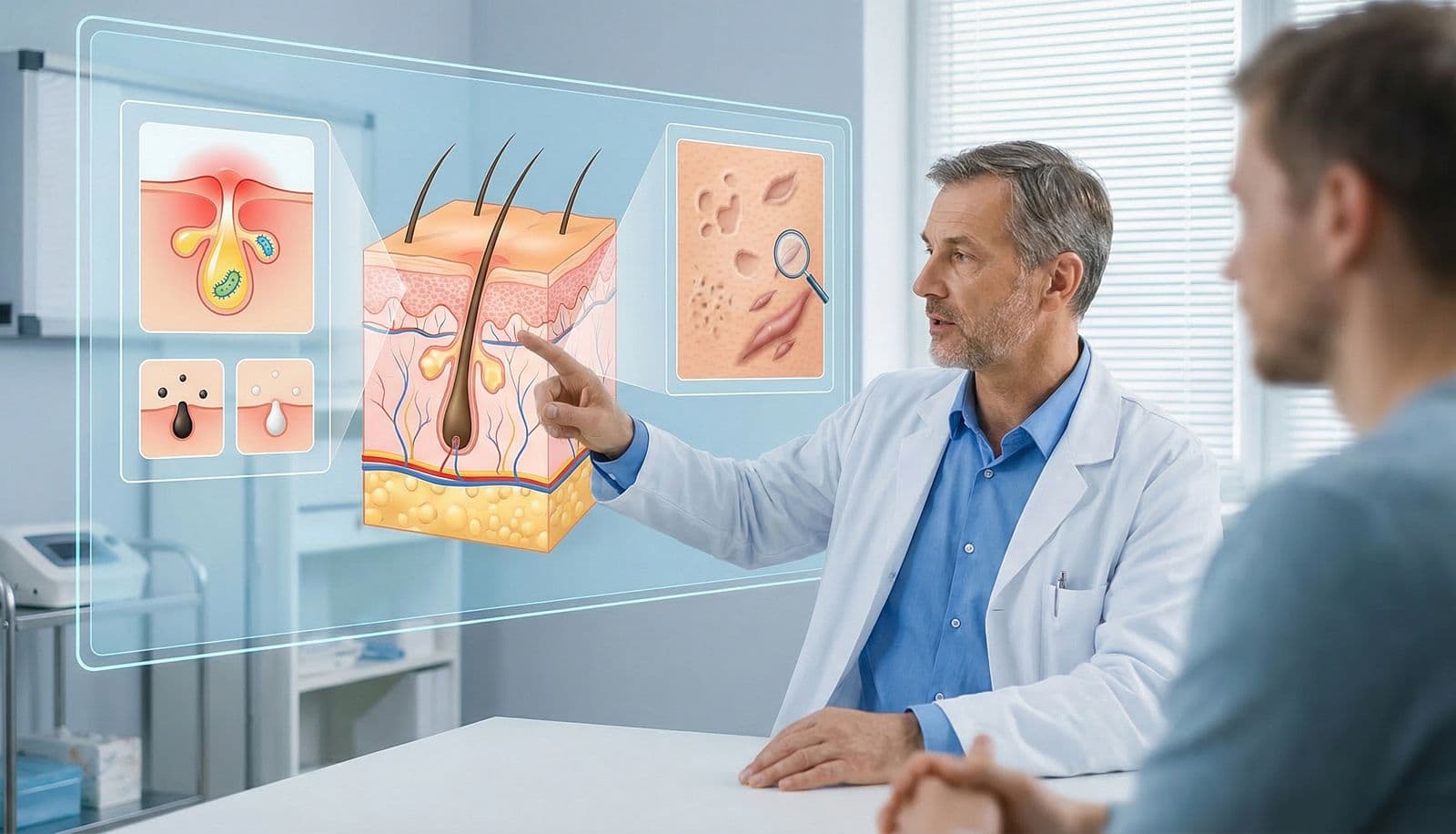
An acne scar is a structural skin change that appears as permanent tissue loss or raised tissue after the active acne lesion has healed. Acne marks and acne scars are often confused; however, a mark is usually a color change that may fade over time, whereas a scar occurs as a result of structural skin damage and does not completely improve on its own. For this reason, acne scar treatment requires a special treatment plan aimed not only at reducing discoloration but also at restructuring the skin surface.
QUICK MENU
In the following sections of this page, you can find the topics listed below. Simply tap on any heading to quickly access the relevant section.
- What Causes Acne?
- How Do Acne Scars Form?
- What Are The Types Of Acne Scars?
- Do Acne Scars Go Away On Their Own?
What You Should Know About Acne Scar Treatments
Acne scars are permanent tissue changes and depressions that occur on the skin after acne. Different dermatological methods aimed at renewing the skin and stimulating collagen production can be used in the treatment of these scars. In the video below, you can find general information about the methods used in acne scar treatment and in which situations they may be preferred.
Acne Scar Treatments Explained in the Video
- Fractional laser
- Gold needle radiofrequency
- Subcision
- Chemical peeling
- PRP and regenerative treatments
Learn More About ABORTION
Feel Free To Consult Our Doctor

Our experienced team is currently online to answer all your questions.
Let us call you
Send us your phone number now to get more information.
What Causes Acne?
Acne develops through four main mechanisms: increased sebum production, clogged pores, proliferation of Cutibacterium acnes bacteria, and inflammation. Hormonal changes in particular, such as puberty, menstrual irregularities, and polycystic ovary syndrome, as well as stress, genetic predisposition, and the use of inappropriate cosmetic products may trigger acne formation. For this reason, acne treatment planning should focus not only on the skin surface but also on the underlying causes.
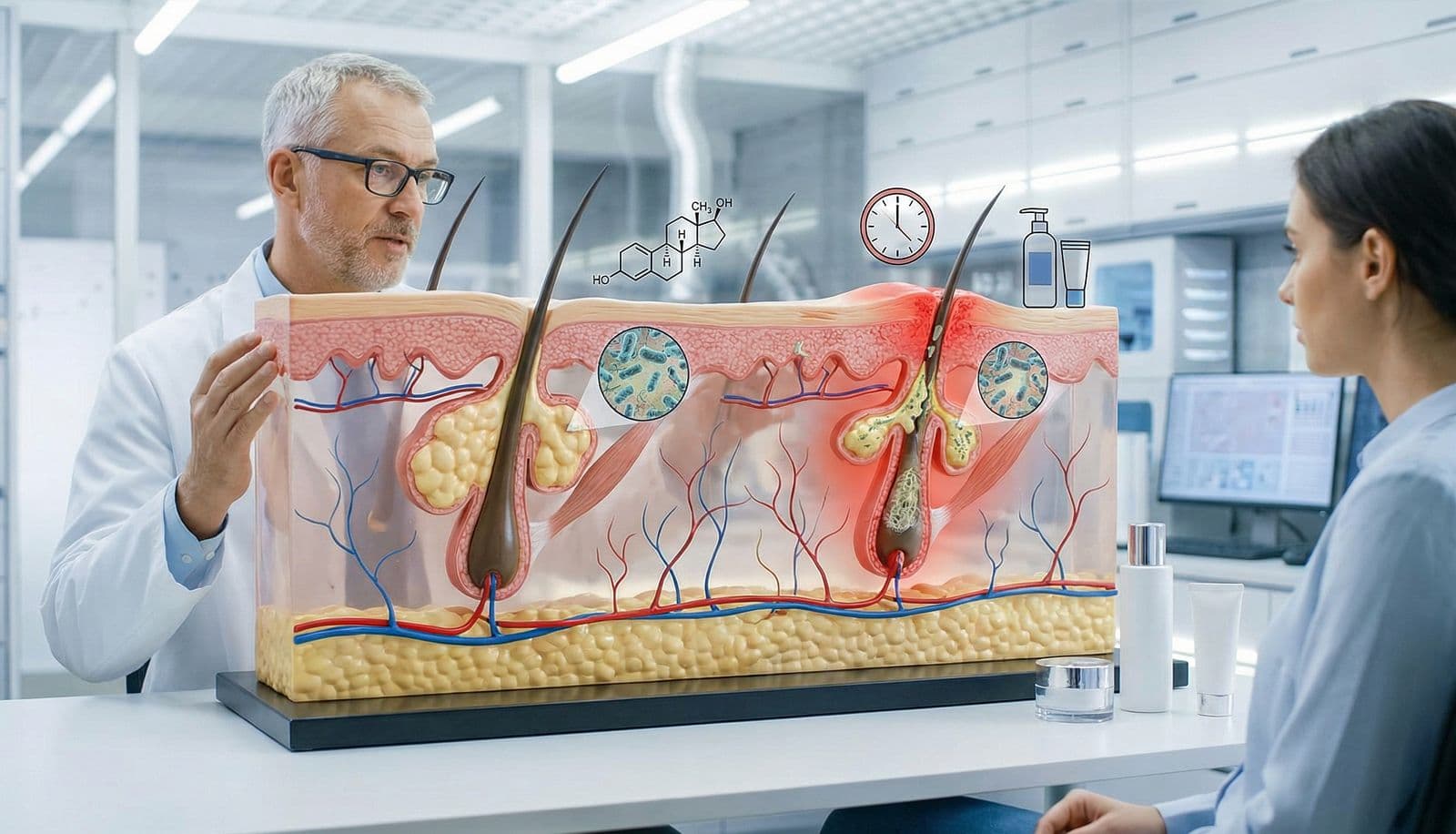
Acne vulgaris is not only an adolescent condition. Today, adult acne is quite common and may especially appear as resistant lesions along the jawline and lower cheek area. Incorrect product use, excessive peeling procedures, or the habit of squeezing pimples may increase inflammation, worsen acne severity, and raise the risk of acne scar formation.
How Do Acne Scars Form?
An acne scar forms when the inflammatory process in the skin reaches the dermis layer and damages collagen tissue. In severe and deep acne lesions, as inflammation increases, the skin attempts to repair the damage by producing collagen; however, if this process is not balanced, either tissue loss (depressed scar) or excessive tissue production (raised scar) may occur. These permanent structural changes are defined as scars.
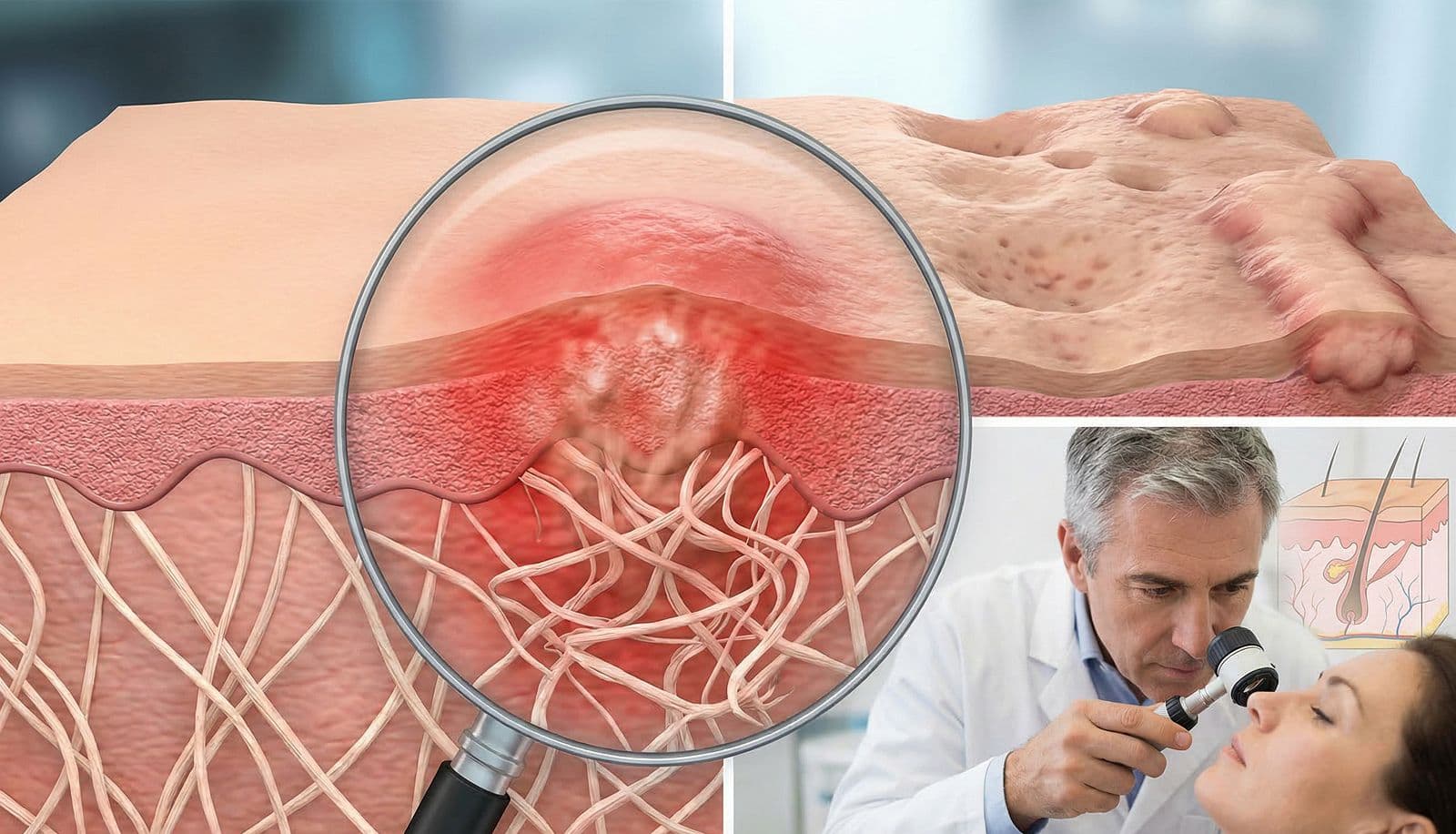
The risk of scarring is especially higher in deep lesions such as nodular and cystic acne. In addition, squeezing pimples, improper chemical treatments, and delayed treatment may increase acne scar formation. Therefore, early and appropriate intervention during the active acne phase can significantly reduce the future need for acne scar treatment.
What Are the Types of Acne Scars?
Types of acne scars are classified according to the structural changes they create in the skin. In order to plan the correct acne scar treatment, the scar type must first be identified. This is because not every scar type responds to the same treatment in the same way.
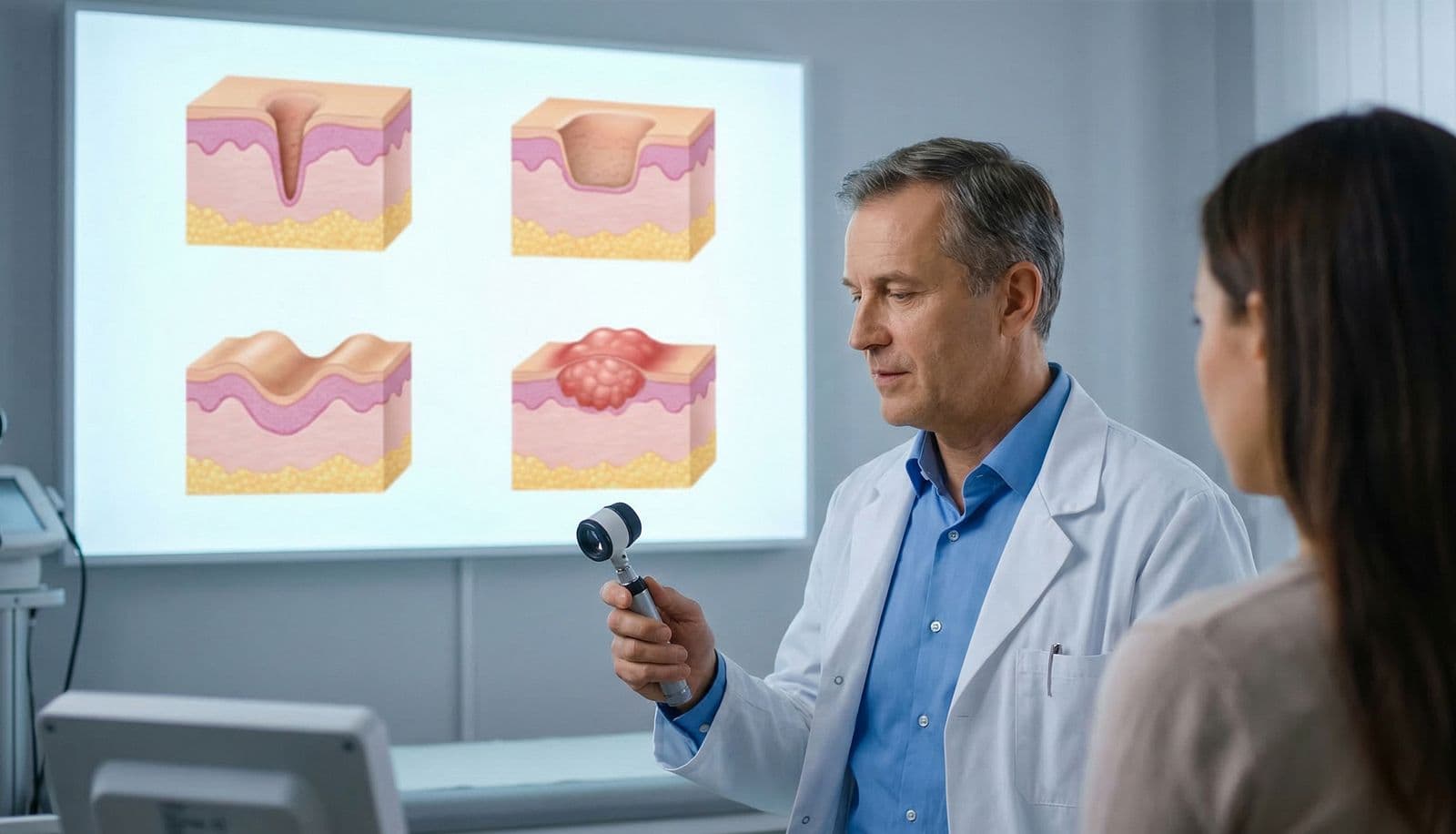
The most common types of acne scars are:
- Ice pick scar: Deep and narrow depressed scars that resemble needle punctures.
- Boxcar scar: Wider scars with clearly defined edges and a crater-like appearance.
- Rolling scar: Wavy depressions that create an uneven appearance on the skin surface.
- Hypertrophic / keloid scar: Raised, firm scars that protrude above the skin surface.
This classification plays a critical role in determining the method to be used in acne scar treatment. For example, rolling scars require different approaches, while ice pick scars may require different techniques. For this reason, a personalized evaluation is essential.
Do Acne Scars Go Away on Their Own?
Acne marks may lighten over time; however, true acne scars generally do not disappear completely on their own. This is because the issue is not only discoloration, but structural damage to the skin tissue. Depressed or raised acne scars tend to remain permanent unless treated.
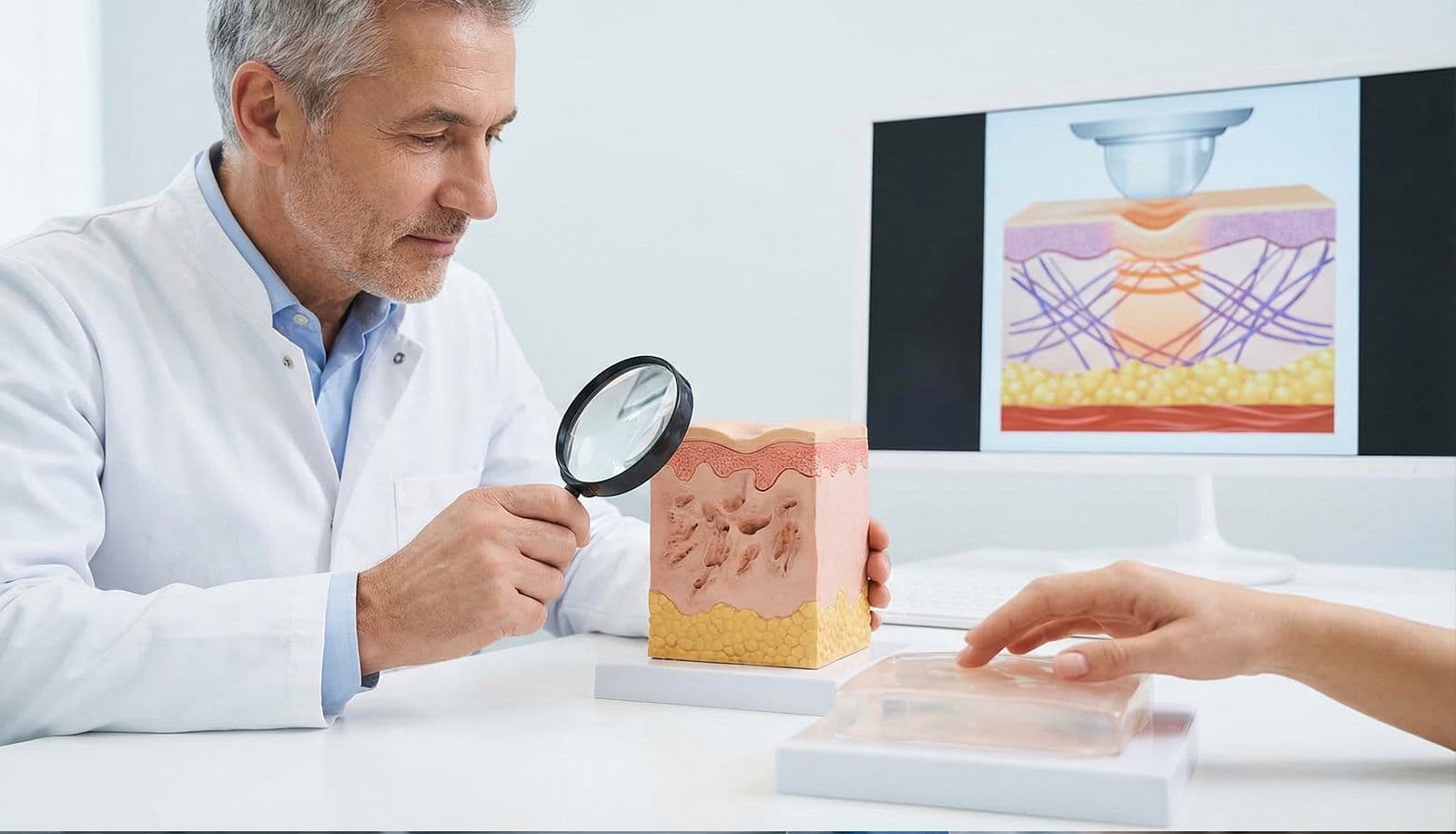
Nevertheless, it is possible to achieve significant improvement in the appearance of scars with modern acne scar treatments. The goal is to regulate collagen production again and make the skin surface smoother. Proper treatment started early not only improves aesthetic appearance but can also positively affect a person’s self-confidence.
Learn More About ABORTION
Feel Free To Consult Our Doctor
Our experienced team is currently online to answer all your questions.
Frequently Asked Questions About Acne and Acne Scars
Acne and acne scars are among the common skin problems, especially during adolescence, but they may also appear in adulthood. While pimples form as a result of an inflammatory process in the skin, in some cases permanent scars may develop in the skin tissue after healing. Below you can find the most frequently asked questions about acne and acne scars.
Acne is an inflammatory skin condition that occurs when hair follicles and sebaceous glands become clogged. It can appear as pimples, blackheads, and inflamed lesions.
Acne usually occurs due to a combination of increased sebum production, clogged pores, bacterial growth, and hormonal changes.
Acne scars are permanent tissue changes that occur in the skin after acne lesions heal. These scars usually appear as depressed or uneven skin surfaces.
Acne scars develop when the inflammatory process in the skin reaches the dermis layer. This process may cause collagen loss or irregular collagen production in the skin tissue.
Not all acne scars are permanent. Some marks may fade over time, while deeper and depressed scars may require dermatological treatment.
Acne scars and acne marks are not the same. Acne marks are pigment changes that may fade over time, whereas acne scars are permanent structural changes in the skin.
Acne scars are more commonly seen in individuals who experience severe acne or frequently squeeze or traumatize their pimples.
Acne scars can be significantly reduced with dermatological treatments. However, it may not always be possible to completely eliminate their appearance.
More Content
Learn More About ABORTION
Feel Free To Consult Our Doctor
Our experienced team is currently online to answer all your questions.